

India’s Diplomatic Dilemma: Battling Negative Perceptions in 1960s Sweden
In the years following India’s independence, the nation forged strong diplomatic relationships with Scandinavian countries, particularly Sweden and Denmark, as they sought to assist newly...

In the years following India’s independence, the nation forged strong diplomatic relationships with Scandinavian countries, particularly Sweden and Denmark, as they sought to assist newly liberated nations with economic development. Despite the cordial ties, Indian diplomats faced a growing concern over the negative portrayal of India in the media across these countries.
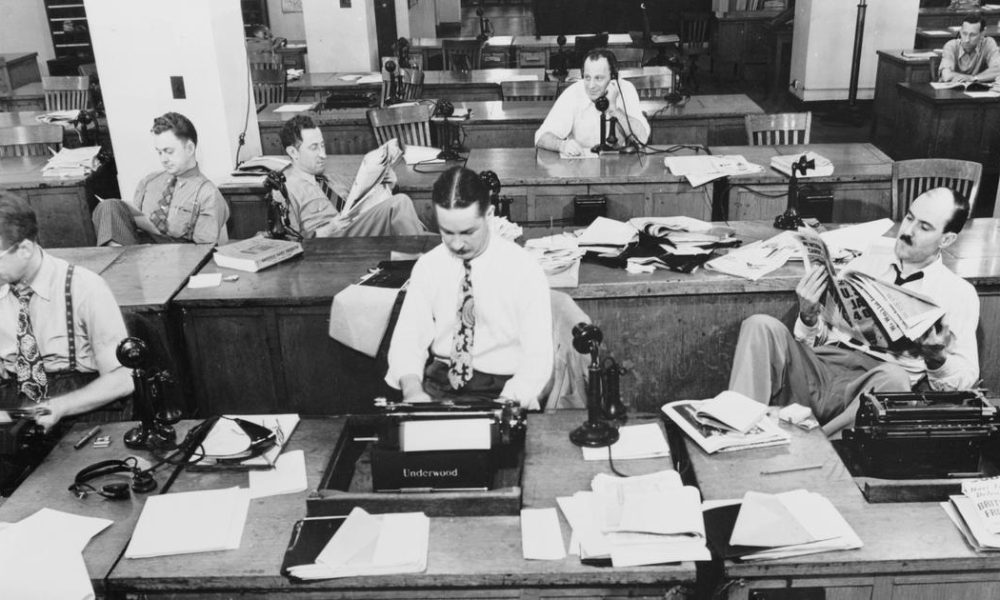
During the 1960s, Indian representatives in Copenhagen and Stockholm became increasingly disheartened by what they perceived as an unbalanced representation of their country in Scandinavian publications. They believed that local media outlets heavily relied on information from British and American news agencies, which often cast India in a less than flattering light. According to a communication from the Indian Embassy in Copenhagen to the Ministry of External Affairs in 1964, they lamented, “Currently, the Danish press is entirely dependent on foreign news sources, predominantly British and American.””
The Indian diplomats saw this reliance on foreign media as a significant barrier to fostering a more accurate image of India among the Swedish and Danish populations. In response, they suggested the establishment of a Scandinavian news agency to offer local narratives that could help counteract what they termed “anti-India propaganda”. This initiative aimed to present a more nuanced view of India that highlighted its rich cultural heritage, economic progress, and societal dynamics.
The situation in Sweden particularly caught the attention of Indian officials. Reports from the Indian Embassy in Stockholm indicated that the negative media portrayal extended beyond print journalism to encompass radio and television broadcasts as well. Surendra Singh, a senior official in the Ministry of External Affairs, noted that while foreign correspondents may not have intended to be biased, the underlying narratives they perpetuated were deeply influenced by the prevailing perceptions in their home countries.
This situation prompted a broader discussion about how emerging nations like India were perceived on the global stage during the post-colonial era. With an aim to reshape its image, India recognized the importance of actively engaging with international media to cultivate better understanding and empathy. The diplomatic efforts in Sweden during the 1960s serve as a reminder of the challenges faced by countries seeking recognition and respect amid a complex international landscape.
Source: scroll.in



No Comment! Be the first one.