

Gujarat Police Conduct Raids on Journalist Ravi Nair Over Controversial Adani Posts
The ongoing tensions surrounding the Adani Group have escalated, as Gujarat Police recently conducted raids on the electronic devices belonging to journalist Ravi Nair, his son, and a colleague. This...

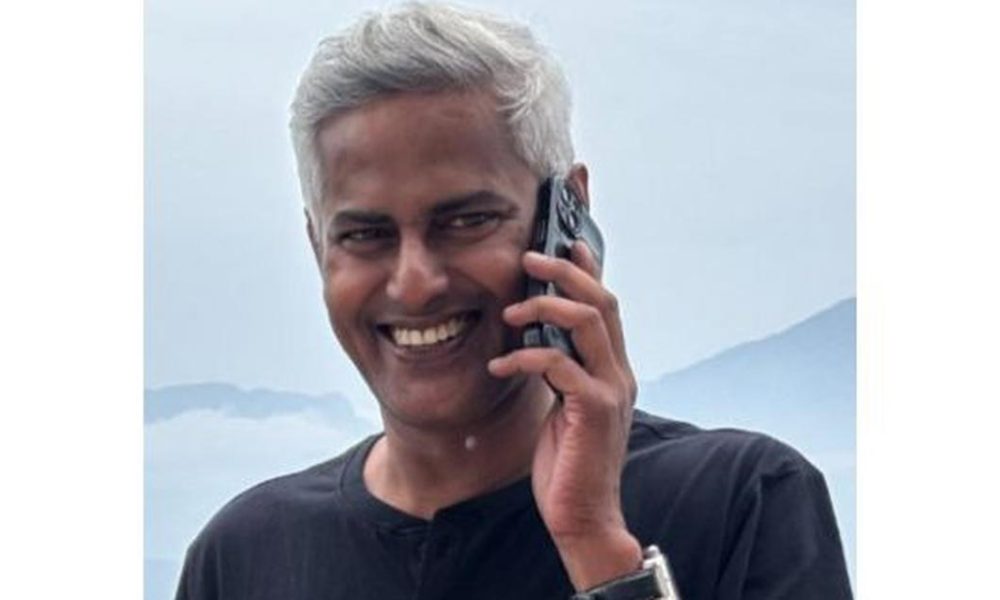
The ongoing tensions surrounding the Adani Group have escalated, as Gujarat Police recently conducted raids on the electronic devices belonging to journalist Ravi Nair, his son, and a colleague. This operation took place on Monday afternoon across multiple locations in Kerala and Delhi, drawing attention to the impact of social media on corporate reputations.
The situation arises from Nair’s social media activity in October, which followed his publication in The Washington Post regarding the investments by the Life Insurance Corporation (LIC) into the Adani Group. According to Paranjoy Guha Thakurta, a fellow journalist who has collaborated with Nair on various projects, the police action is linked to an FIR filed by an employee of Adani Ports and Special Economic Zone Limited. The FIR accuses Nair of disseminating “false and fabricated information” aimed at damaging the reputation of the Adani conglomerate.
On the same day as the raids, a court in Ahmedabad granted permission for the police to search Nair’s residence in Delhi for “incriminating evidence, essential documents, and electronic devices.” At the time, Nair was in Kerala, leading to the seizure of his son’s laptop and an iPad belonging to a colleague who happened to be present. Guha Thakurta noted that these items were not directly related to the case, underscoring concerns about the breadth of the police investigation.
The FIR against Nair references several sections of the Bharatiya Nyaya Sanhita that pertain to offenses such as cheating, dishonesty, and forgery. This legal framework has raised questions about the implications for journalistic freedom and the potential suppression of dissenting voices in India’s media landscape.
As discussions unfold regarding the intersection of media coverage and corporate power, the case against Nair highlights the precarious nature of investigative journalism in the contemporary era. Observers of Indian media are closely monitoring the developments, with many advocating for the protection of journalists’ rights amid growing concerns over freedom of expression.
Source: scroll.in







No Comment! Be the first one.