

Upper Assam’s Man-Made Flood Crisis: The Consequences of Environmental Exploitation
Since July 19, Upper Assam has been grappling with an unprecedented flood that has left a devastating impact on four districts. This disaster, described by locals as an artificial flood, has...

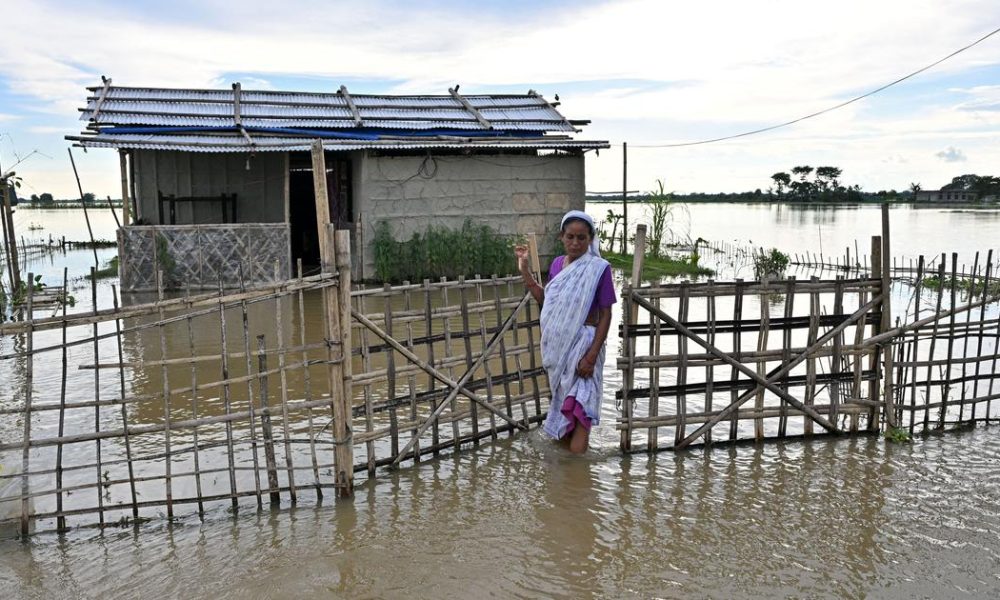
Since July 19, Upper Assam has been grappling with an unprecedented flood that has left a devastating impact on four districts. This disaster, described by locals as an artificial flood, has submerged approximately 800 villages and inundated around 119,000 hectares of agricultural land. In addition to the destruction of crops, thick layers of mud have invaded homes, transforming vast swathes of the landscape into makeshift lakes. Tragically, over 100 lives have been claimed, and an estimated 700,000 individuals have been directly affected by this calamity, alongside countless livestock casualties.
This disaster has struck areas typically not associated with Assam’s annual flooding, suggesting a grim transformation of the region’s environmental landscape. Historically, Assam has thrived in the rhythm of the Brahmaputra River’s seasonal floods, which have nourished its fertile lands. For generations, the Assamese people have adapted to and depended on these cyclical floods, viewing them as harbingers of renewal rather than as threats. Yet, the current crisis appears to mark a significant shift, as it has created a sense of permanence in devastation where temporary floods once offered rejuvenation.
To understand the origins of this calamity, one must consider the environmental changes that have exacerbated the impact of natural floods in the Brahmaputra Valley. Over the years, rampant river and mountain encroachment practices have altered the natural flow and dynamics of these waterways. Illegal constructions, deforestation, and unregulated mining activities have contributed to the destabilization of the riverbanks and the surrounding ecosystems, leading to a situation where the natural flood management systems are severely compromised.
As the monsoon season continues, the implications for recovery and rehabilitation are daunting. The traditional wisdom of Assamese agriculture, which thrived on the interplay of floods and fertile land, now faces challenges from an increasingly hostile environment. The current disaster not only highlights the urgent need for sustainable environmental practices but also calls for a re-evaluation of development policies that disrupt the delicate balance of nature.
The people of Upper Assam, historically resilient and adaptive, now confront an existential crisis that requires immediate attention and action from both the local and national governments. As they navigate this tumultuous period, the lessons learned from this disaster may shape the future of flood management and environmental stewardship in the region.
Source: scroll.in







No Comment! Be the first one.