

Young Voices from South Asia: Bridging Borders and Cultivating Hope
The resonating sentiments shared in a recent letter from Lahore highlight the power of youth in transcending borders and fostering unity in a region often marred by historical conflicts. The...

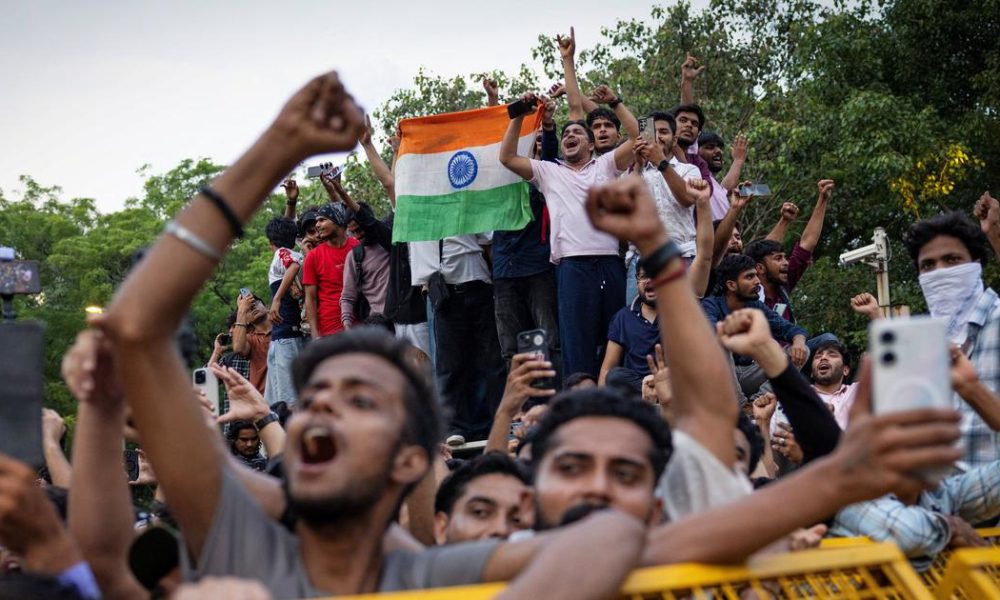
The resonating sentiments shared in a recent letter from Lahore highlight the power of youth in transcending borders and fostering unity in a region often marred by historical conflicts. The correspondence, written by Ehtesham Hassan, has sparked an outpouring of support and optimism from readers across South Asia, particularly India. It emphasizes the shared aspirations of young people who yearn for connection and collaboration, despite the divisive borders that separate them.
Many readers have expressed their appreciation for the letter, viewing it as a beacon of hope amid the prevailing atmosphere of animosity. A commentator named Manish reflected on the potential for collaboration among the Gen Z demographic in South Asia, suggesting that the current political climate, influenced by parties like the Cockroach Janata Party in India, might not deter the youth from pursuing a brighter future together. There is a palpable desire among these young individuals to engage with one another in meaningful ways, fostering understanding and compassion.
Another reader, Anshumitra Kayal, articulated a profound emotional response to Hassan’s letter, stating that it filled her with joy to witness young people dreaming ambitiously and longing for a world where borders are merely lines on a map, not barriers to friendship and cooperation. This sentiment reflects a broader yearning among the youth to overcome historical grievances and focus on a shared future.
The discourse around these letters also touches on the active role that India’s Gen Z has taken in advocating for their rights and voicing concerns to the government. Drawing on experiences from the Emergency period in India, when civil liberties were severely curtailed, many older readers like Anshumitra pointed out that the contemporary youth have organized themselves to express their opinions and challenge injustices. However, there is also a cautionary note about the presence of opportunists who have attempted to exploit the genuine movements initiated by the youth.
Ultimately, the correspondence from Lahore serves as a reminder of the potential for youth-led initiatives to bridge the gaps created by history. As these young voices rise, they not only challenge the status quo but also inspire a new narrative of unity and hope. The vision of a borderless, collaborative South Asia is not just a dream; it is a possibility that is being actively championed by today’s youth.
Source: scroll.in






No Comment! Be the first one.