

Sunny Deol’s ‘Batwara 1947’: A Reflection on Compassion Amidst the Turmoil of Partition
In a significant departure from his usual action-packed roles, Sunny Deol takes on a more nuanced character in the film ‘Batwara 1947’. Directed by Rajkumar Santoshi, this Hindi-Punjabi...

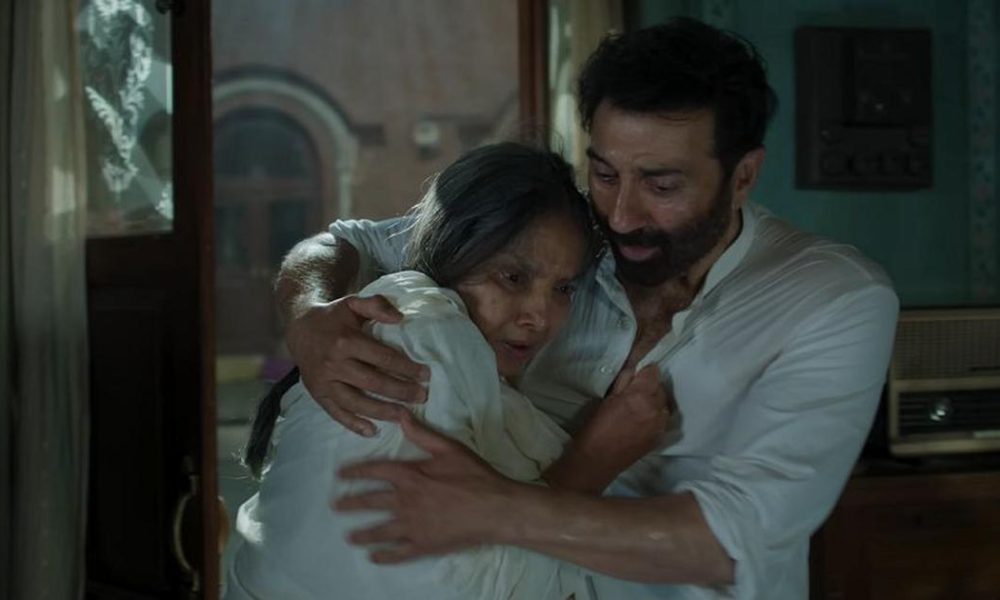
In a significant departure from his usual action-packed roles, Sunny Deol takes on a more nuanced character in the film ‘Batwara 1947’. Directed by Rajkumar Santoshi, this Hindi-Punjabi film draws inspiration from a celebrated play that delves into themes of empathy and communal harmony during the dark days of India’s Partition.
Deol portrays the character of Sikandar, a Muslim businessman from Meerut who is forced to flee to Lahore after facing brutal attacks from Hindu rioters. Accompanied by his wife Hamida, played by Preity Zinta, and their daughter Tanno, portrayed by Khushi Hajare, Sikandar seeks refuge in a mansion that is already inhabited by an elderly Hindu woman named Durgavati, played by the esteemed Shabana Azmi. Durgavati is adamant about not leaving her home until her missing son returns, setting the stage for a poignant exploration of human resilience amidst societal chaos.
The film is further complicated by the presence of Yaqub, a fanatic politician played by Abhimanyu Singh, who seeks to erase the Hindu legacy of the neighborhood. In a troubling twist, Sikandar’s son, Javed, portrayed by Karan Deol, is drawn to the extremist ideologies espoused by Yaqub, influenced by the atrocities he witnessed in Meerut. This conflict within the family serves as a microcosm of the larger societal rifts that emerged during Partition.
‘Batwara 1947’ is based on Asghar Wajahat’s poignant play ‘Jis Lahore Nai Vekhya, O Jamya E Nai’, which eloquently captures the essence of life during this turbulent period in Indian history. The film’s narrative seeks to address the harsh realities of communal violence while simultaneously emphasizing the need for understanding and compassion among individuals, regardless of their religious identities. The emotional weight of the story is palpable, as it illustrates the struggle for survival and acceptance in a landscape marred by hatred and division.
Despite its earnest intentions, some critics have noted that ‘Batwara 1947’ struggles with pacing and storytelling, potentially detracting from its powerful message. However, the film’s portrayal of characters trying to navigate their humanity amid conflict remains a significant aspect of its narrative. In a country that continues to grapple with communal tensions, ‘Batwara 1947’ stands as a reminder of the importance of empathy and cooperation, urging viewers to reflect on the shared humanity that binds us all.
Source: scroll.in







No Comment! Be the first one.