

Census 2027 to Include Caste Data for Scheduled Castes and Scheduled Tribes
The Indian government’s announcement regarding the upcoming Census 2027 has sparked discussions across the nation as it will, for the first time since 1931, officially collect data on caste....

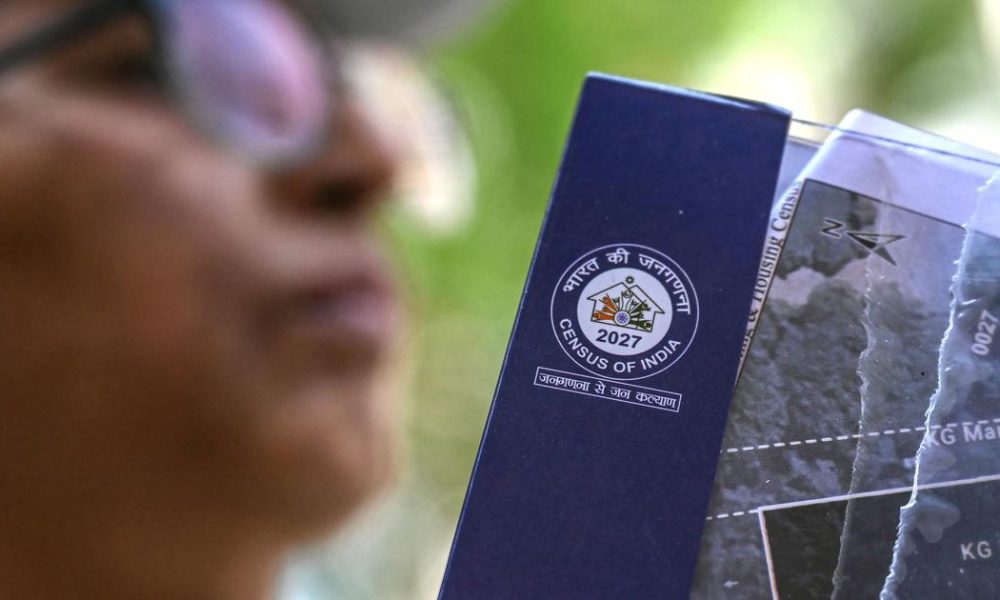
The Indian government’s announcement regarding the upcoming Census 2027 has sparked discussions across the nation as it will, for the first time since 1931, officially collect data on caste. Respondents will be asked whether they belong to a Scheduled Caste (SC) or Scheduled Tribe (ST) and will be required to specify their caste in their own words. This move aims to address the long-standing demand for a nationwide caste census, especially as advocates argue it is essential for crafting more effective social policies.
The recent notification from the Union government stipulates that while SC and ST categories will be explicitly addressed, there is no mention of the Other Backward Classes (OBC) in the questionnaire. This absence has raised eyebrows among various political factions and social activists, who believe that a comprehensive understanding of caste demographics is crucial for ensuring equitable representation and resources in society.
The drive for a caste census has garnered momentum over recent years, with various opposition parties pushing for its inclusion in the national census. Advocates assert that accurately capturing the population statistics of OBCs and other caste groups will allow the government to formulate policies that can increase opportunities in education and employment through expanded quotas. During a trial conducted for the second phase of the Census from July 1 to July 20, 2023, in 16 states and Union Territories, an open format was tested, allowing respondents to write their caste rather than select from a predetermined list.
The enumeration phase of the Census is slated to take place from September 1 to September 30, particularly in Ladakh and other remote areas affected by snow. This phase will be crucial for gathering data that reflects the diverse social fabric of India, which has long been characterized by its complex caste dynamics. The outcome of this exercise may significantly impact future policymaking, especially in sectors such as education and public employment.
As the government moves forward with these preparations, the dialogue surrounding caste in India continues to evolve. Stakeholders from various sectors are keenly observing how this census will address historical injustices and contribute to a more balanced representation of India’s diverse population.
Source: scroll.in




No Comment! Be the first one.