

Imran Khan’s Enduring Symbolism Amidst His Imprisonment
On August 1, a poignant scene unfolded outside the Karachi Press Club, where a woman was seen holding a painted portrait of former Prime Minister Imran Khan. The artwork proclaimed messages like...

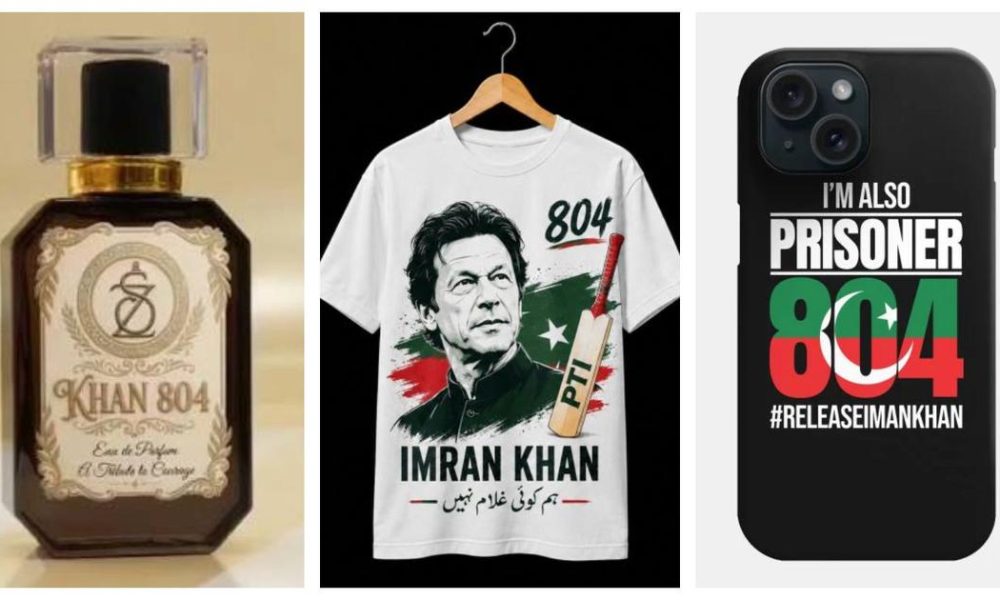
On August 1, a poignant scene unfolded outside the Karachi Press Club, where a woman was seen holding a painted portrait of former Prime Minister Imran Khan. The artwork proclaimed messages like “Imran Khan ko riha karo” (Free Imran Khan) and “Hamara leader hamen wapas dedo” (Give our leader back to us). This act of quiet defiance coincided with a resurgence of street activism by Khan’s party, Pakistan Tehreek-e-Insaf (PTI), as they marked the three-year anniversary of his imprisonment. This moment underscores an intriguing paradox: rather than diminishing Khan’s symbolic stature, his incarceration appears to have amplified it.
Pakistan’s political history often follows a familiar script. Typically, tensions arise between a political figure and the establishment, leading to a sequence of events that includes dismissal, disqualification, imprisonment, or even exile, aimed at rendering the leader politically irrelevant. However, Imran Khan’s situation has challenged this conventional narrative. His rise to power was anything but expected, transitioning from a celebrated cricket star to a philanthropist, and eventually to a political figure, despite his initial hesitations about entering the political arena.
Khan faced numerous hurdles as he sought to establish himself as a credible politician. His early political career was marked by setbacks, such as securing only a single seat in Parliament and boycotting a general election. Nevertheless, he captivated the public with electrifying rallies that showcased his charisma and vision for the country. This narrative of resilience has resonated deeply with his supporters, who have continued to rally around him, particularly in light of his current plight.
The dynamics surrounding Khan’s imprisonment reveal the complexities of Pakistan’s political landscape. His unique journey from a sports icon to a political leader has sparked intense loyalty among his followers, who view him as a beacon of hope against a backdrop of political upheaval. The fervent calls for his release reflect a broader yearning for political representation and accountability in Pakistan.
As the situation unfolds, it will be interesting to observe how Khan’s legacy evolves amidst these challenges. His ability to mobilize supporters even from behind bars speaks volumes about his influence on Pakistani society. While the establishment may hope to neutralize his impact, the persistent calls for his freedom suggest that Khan’s symbolic appeal is far from over, and he might continue to shape the political discourse long after his release.
Source: scroll.in




No Comment! Be the first one.