

Supreme Court to Deliberate on Shiv Sena MLAs’ 2022 Rebellion as Potential Party Split
The Supreme Court of India is set to undertake a thorough examination regarding the 2022 upheaval within the Shiv Sena, questioning if it can be characterized as a formal division of the party. This...

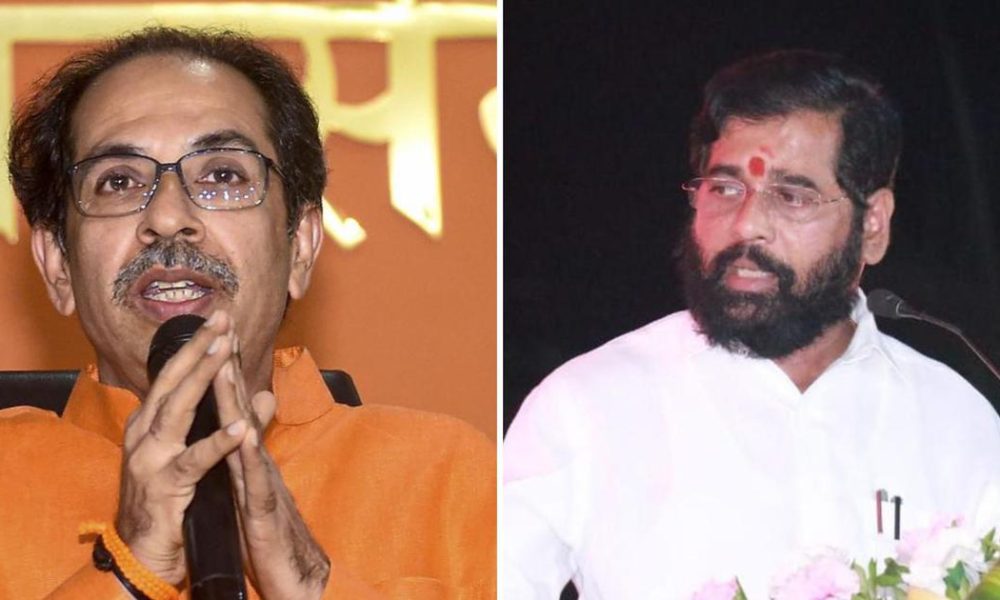
The Supreme Court of India is set to undertake a thorough examination regarding the 2022 upheaval within the Shiv Sena, questioning if it can be characterized as a formal division of the party. This significant legal inquiry arises as the Uddhav Thackeray-led faction of Shiv Sena contests the Election Commission’s decision to recognize the Eknath Shinde group as the official party, a move that included awarding them the party symbol of bow and arrow.
During the proceedings, Advocate Kapil Sibal, representing the Uddhav faction, argued that the Election Commission’s conclusion regarding the party’s split was unwarranted, especially based on a perceived division within the legislative assembly’s members. Chief Justice Surya Kant, leading the bench, acknowledged that the reasoning behind the commission’s decision merits a closer look. However, he highlighted the complexity of the situation, noting that while a split may initiate in the legislative assembly, its effects could permeate the broader organizational structure of the party.
The backdrop to this legal battle dates back to June 2022, when Eknath Shinde, then the Chief Minister of Maharashtra, spearheaded a rebellion that led to a significant portion of the Shiv Sena’s legislative members—39 out of 55 MLAs—aligning with his faction, along with the support of ten independent MLAs. This schism ultimately prompted Thackeray’s Maha Vikas Aghadi coalition to falter, creating a political vacuum that Shinde sought to capitalize on.
As the court embarks on this examination, it must address the implications of recognizing a split within the party. The ramifications of such a ruling could reshape the political landscape in Maharashtra, given the Shiv Sena’s long-standing influence in the region. Political analysts suggest that a determination of a party split could affect not only the current power dynamics within the legislature but also the party’s future electoral prospects.
The upcoming hearings are expected to draw considerable attention from political observers and supporters alike, as the decision could set a significant precedent for intra-party disputes in Indian politics. As the Supreme Court prepares to delve into this matter, the focus will remain on how the judiciary interprets party discipline and cohesion in the context of evolving political affiliations.
Source: scroll.in




No Comment! Be the first one.