

The Soviet Cinematic Influence in Cold War India: A Kerala Retrospective
In the spring of 1968, Kerala found itself at the centre of cultural diplomacy when it inaugurated a retrospective of Soviet cinema, a move eagerly embraced by the communist government led by EMS...

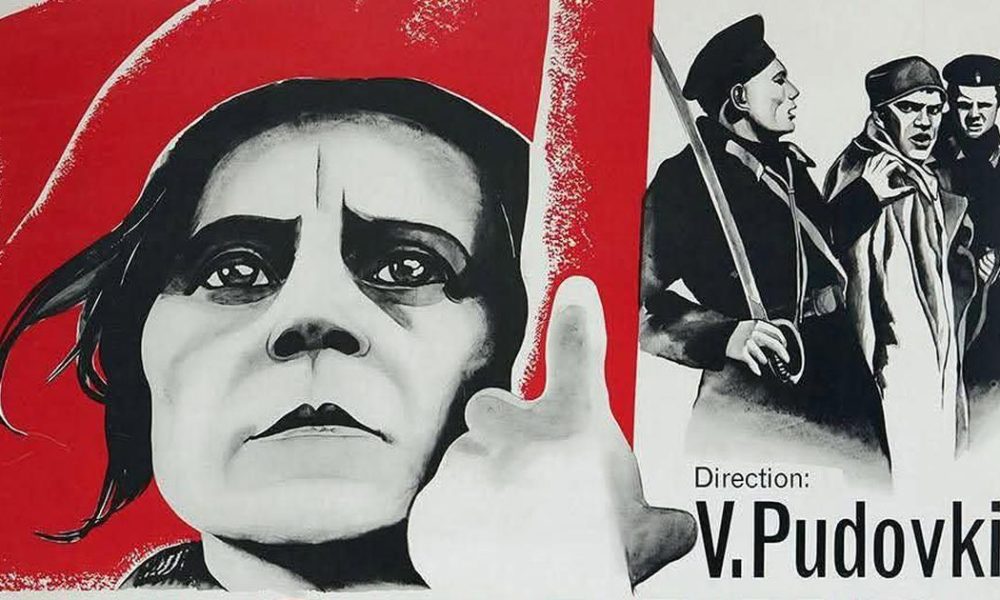
In the spring of 1968, Kerala found itself at the centre of cultural diplomacy when it inaugurated a retrospective of Soviet cinema, a move eagerly embraced by the communist government led by EMS Namboodiripad. During a period marked by Cold War tensions and competing influences from global superpowers, Kerala emerged as a state that notably favored Moscow over Washington, providing an ideal setting for the celebration of Soviet films.
The retrospective showcased nine significant Russian films, commencing with Sergei Eisenstein’s renowned silent classic, Battleship Potemkin, at venues across Trivandrum and other parts of the state. This cinematic event was not merely a celebration of film; it was a strategic effort to align the cultural narratives of Soviet cinema with Kerala’s political ethos. The films selected were deeply intertwined with themes of socialism, revolution, and collective struggle, resonating with the state’s socio-political landscape.
The motivation behind this retrospective was rooted in a larger Soviet initiative to enhance the appeal of Russian films in India. The Soviets recognized that, amidst a post-colonial environment where English-language films held sway over the elite and educated classes, they needed to present an alternative narrative that showcased the strengths of socialism. The Americans, through Hollywood, had a significant advantage due to the absence of language barriers, which allowed them to promote their capitalist ideals more effectively. In contrast, the Soviet Union sought to demonstrate that a socialist state could indeed become a superpower.
This cultural exchange was part of a concerted effort by the USSR to foster goodwill and ideological alignment in a nation that was navigating its identity in the wake of independence. By showcasing their cinematic achievements, the Soviets aimed to win over Indian audiences, particularly in regions like Kerala where the communist ideology found considerable support. The retrospective was a celebratory nod to the 50-year anniversary of Soviet cinema, signifying not only a milestone in film history but also an opportunity for the USSR to cement its cultural footprint in India.
As the films were screened, they provided a platform for dialogue on themes of social justice, equality, and the role of the state in the lives of its citizens. For Kerala’s audiences, these films were more than just entertainment; they were a reflection of their own struggles and aspirations, thus deepening the connection between Soviet cultural narratives and Indian socio-political contexts. This exchange, while rooted in the ideological battle of the Cold War, also highlighted the complexities of cultural influence and the power of cinema as a tool for shaping public perception.
Source: scroll.in






No Comment! Be the first one.