

Netanyahu Dismisses Trump’s Peace Proposal for Gaza Amid Ongoing Tensions
Israeli Prime Minister Benjamin Netanyahu has firmly rejected U.S. President Donald Trump’s peace plan concerning Gaza, emphasizing that Israel will not withdraw its military presence in the...

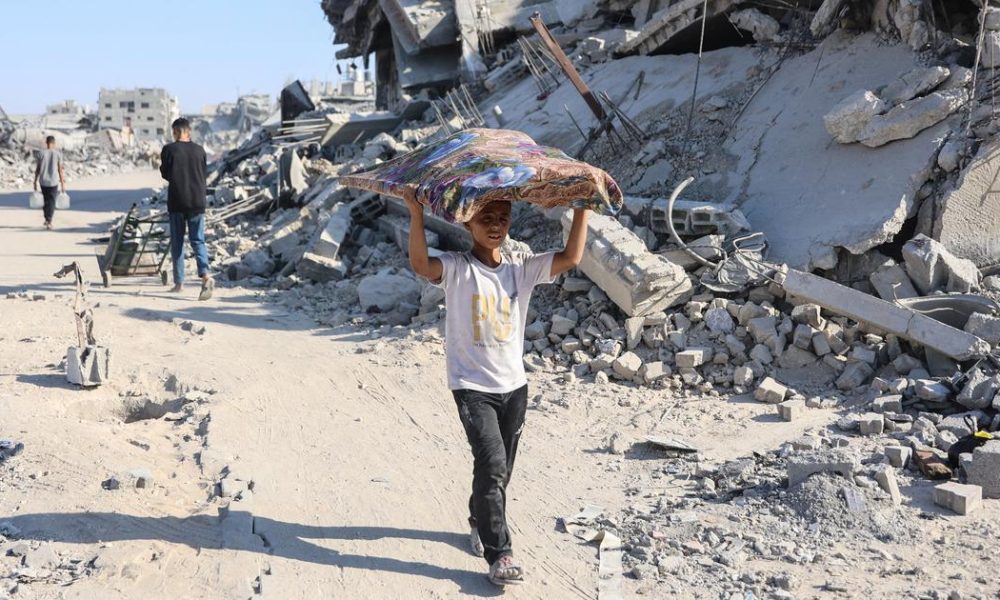
Israeli Prime Minister Benjamin Netanyahu has firmly rejected U.S. President Donald Trump’s peace plan concerning Gaza, emphasizing that Israel will not withdraw its military presence in the region until Hamas is thoroughly disarmed. This declaration comes in the backdrop of a significant reduction in Israeli military operations in Gaza, a move reportedly influenced by Trump’s insistence.
During a meeting with Nikolay Mladenov, the U.S. envoy for Trump’s Board of Peace, Netanyahu reiterated Israel’s stance on the disarmament of Hamas. Mladenov stated that discussions regarding the framework to resolve the ongoing conflict are still in progress. The core of the peace plan, introduced by Trump on July 30, hinges on the total disarmament of Hamas and other militant groups operating in Gaza.
Trump’s proposal, which he claims is structured to bring lasting peace to the region, suggests that the disarmament of these groups should be done in phases. The plan outlines a process wherein, as Hamas relinquishes its weapons, Israeli forces would gradually retreat from the Gaza Strip. In this scenario, an International Stabilization Force would assist in forming a new Palestinian police unit, tasked with ensuring security for both Gaza’s residents and neighboring areas.
However, the proposal has met with skepticism. Hamas, following the initial announcement, expressed its willingness to consider the offer, indicating a potential path toward reducing tensions. Yet, the disarmament of Hamas is viewed as a critical barrier to achieving any lasting peace agreement. This ongoing stalemate has raised concerns among international observers about the feasibility of Trump’s roadmap.
The implications of these developments extend beyond Israeli-Palestinian relations and have significant ramifications across the Middle East. As India watches these unfolding events, it remains crucial for the international community to engage in dialogue that promotes peace and stability in the region.
Source: scroll.in






No Comment! Be the first one.