

Exploring Wildlife Perspectives: Tansy Troy’s ‘The Great Nicobar Journey’ Challenges the Great Nicobar Project
In a recent conversational gathering, the topic of the ambitious Rs 91,000-crore Great Nicobar Project emerged, sparking a lively debate among attendees. Opinions on the project’s implications,...

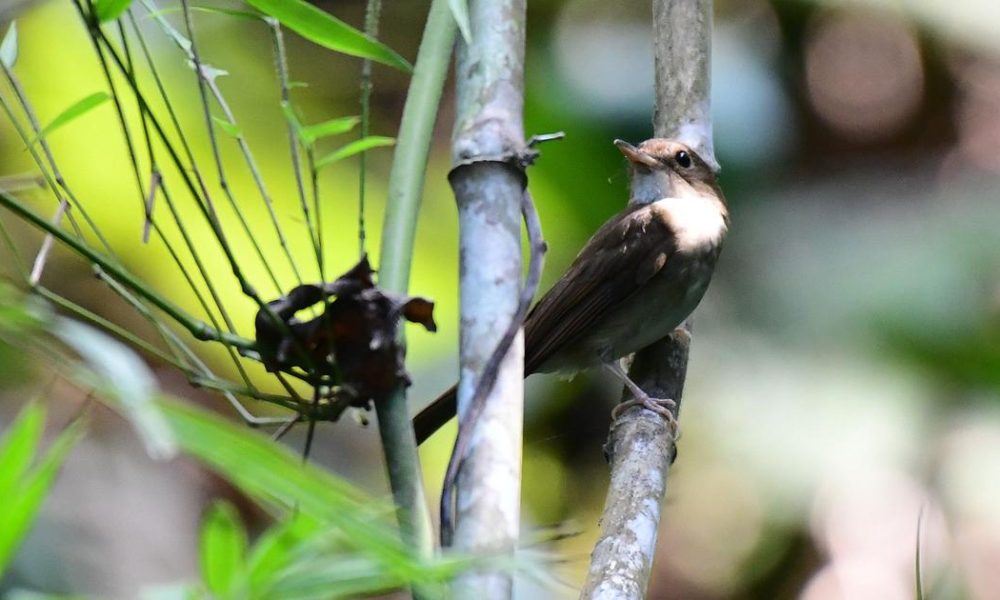
In a recent conversational gathering, the topic of the ambitious Rs 91,000-crore Great Nicobar Project emerged, sparking a lively debate among attendees. Opinions on the project’s implications, centering around phrases like “development without destruction” and “ecologically sensitive zone,” filled the air. The discussion took a thought-provoking turn when one guest pondered what the island’s wildlife might express about the project if they had a voice. It seems author Tansy Troy was inspired by such dialogues when crafting her latest work, ‘The Great Nicobar Journey.’
This eco-adventure novel, authored by the educator, activist, and poet Tansy Troy, sheds light on the Great Nicobar Project from the unique perspective of the island’s diverse wildlife. Scheduled to unfold over the next three decades, the initiative aims to transform Great Nicobar into a significant strategic and economic hub for India. However, the book raises a crucial question: what do the island’s endemic and varied animal species think about this transformation?
‘The Great Nicobar Journey’ introduces readers to an extraordinary conference that includes an array of animals, birds, amphibians, and reptiles. Led by the Nicobar Treeshrew, this assembly features a cast of characters like the Long-tailed Macaque, Civet Cat, Omura’s Whale, and Saltwater Crocodile, all gathering with a shared purpose—to advocate for the preservation of their natural habitat. As they face the daunting challenges posed by the project, the creatures embark on a remarkable journey to articulate their concerns.
Troy’s narrative not only entertains but also informs, urging readers to reconsider the cost of development on vulnerable ecosystems. By giving a voice to these creatures, she highlights the importance of preserving biodiversity, especially in regions as ecologically rich as Great Nicobar. The book serves as a reminder that development should not come at the expense of our planet’s health, echoing a sentiment resonant in today’s environmental discourse.
This children’s book stands out as a vital contribution to conversations about ecological preservation, particularly in the face of large-scale developmental projects. As ‘The Great Nicobar Journey’ invites young readers to engage with crucial environmental themes, it simultaneously encourages adults to reflect on their own views about progress and conservation. In a time when the balance between development and ecological sustainability is more critical than ever, Troy’s work is a timely reminder of the voices that often go unheard in such discussions.
Source: scroll.in







No Comment! Be the first one.