

Gurugram’s Journey: From Rural Hamlet to Epicenter of Majoritarian Politics
Once a quaint hamlet on the outskirts of Delhi, Gurugram has transformed dramatically over the centuries, evolving into a modern urban landscape. Historically, the region was known for its...

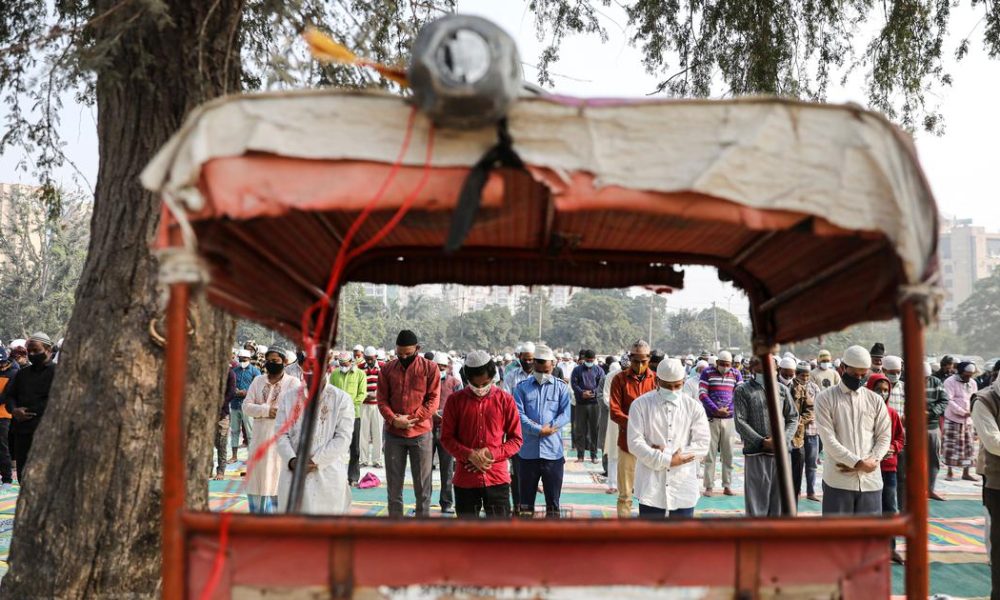
Once a quaint hamlet on the outskirts of Delhi, Gurugram has transformed dramatically over the centuries, evolving into a modern urban landscape. Historically, the region was known for its connections to Hemu Vikramaditya, a general under Sher Shah Suri, who is often remembered for his military victories against notable emperors like Humayun and Akbar. However, it wasn’t until after India’s independence that Gurugram began to undergo significant changes.
The tragic events surrounding the Partition in 1947 led to a sharp decline in its Muslim population, as communal riots forced many to flee. Despite these challenges, the city began to attract a wave of migration from various communities in later years, particularly Muslims seeking improved living conditions in what had become a burgeoning hub of economic opportunities. Yet, their struggle for dignity and equal rights persists amid an urban environment that, despite its modern façade, often harbors underlying biases.
Gurugram’s transformation was catalyzed in the 1970s, when Maruti Suzuki established a manufacturing plant in the area, marking the beginning of an industrial revolution. With the arrival of General Electric in 1997, an influx of both domestic and international corporations followed suit. Today, Gurugram boasts the offices of approximately 250 Fortune 500 companies, symbolizing its status as a focal point of India’s economic growth.
The cityscape is characterized by glimmering glass skyscrapers, housing offices, shopping malls, and luxurious condominiums. However, the rapid urbanization has also exposed social fractures, with many residents grappling with issues related to prejudice and social indifference. The duality of wealth and social injustice continues to define the experience of many who call Gurugram home.
As Gurugram navigates its identity in a rapidly changing socio-political landscape, the challenges posed by majoritarian politics loom large. The need for inclusivity and mutual respect among its diverse communities is more crucial than ever, as the city strives to reconcile its prosperous image with the realities faced by its marginalized populations.
Source: scroll.in





No Comment! Be the first one.