

Exploring Identity and Trauma in Mudassir Ramzan’s ‘The Man from Kashmir’
Mudassir Ramzan’s novella, The Man from Kashmir, opens with a thought-provoking quote from James Joyce’s classic, Ulysses: “History…is a nightmare from which I am trying to awake.”...

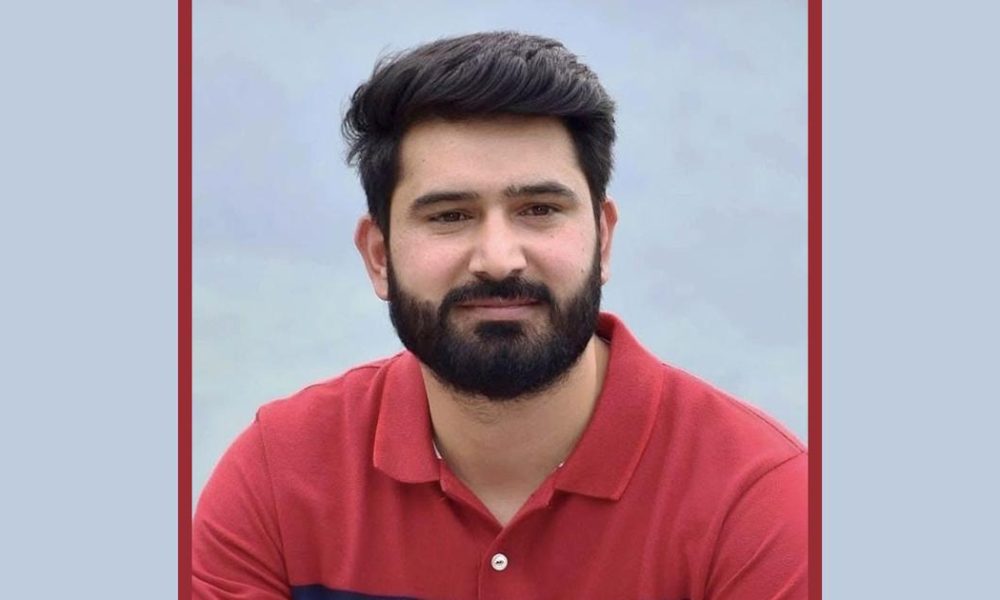
Mudassir Ramzan’s novella, The Man from Kashmir, opens with a thought-provoking quote from James Joyce’s classic, Ulysses: “History…is a nightmare from which I am trying to awake.” These words echo the sentiments of Stephen Dedalus, who engages in a complex dialogue with his headmaster, Mr Deasy. The latter represents a narrow, conventional perspective steeped in British nationalism and religious determinism, while Dedalus embodies a more chaotic view of history—one characterized by violence, turmoil, and constant upheaval.
Ramzan’s narrative can be interpreted as an exploration of the journey of Ahmed, a young man born within the confines of the fictional town of Poshmarg in Kashmir. Raised within the rich and complex tapestry of Kashmiri Muslim culture, Ahmed’s life is marred by the weight of collective trauma, ultimately leading to his tragic demise by suicide in a foreign land. This poignant detail serves as a reflection of not just Ahmed’s personal struggles, but also the collective history of his people, which is intricately woven into the fabric of the novella.
At one point in the story, Ahmed’s friend Peter asks Rahil about his career, to which Rahil humorously responds, “What does any brown man with a degree in the humanities do in academia? Colonial studies. Postcolonial literature of India and Africa. He had also been working on a book about Kashmir – specifically, the application of postcolonial theory to the region.” This exchange highlights not only the challenges faced by individuals from a postcolonial background but also the intellectual efforts to make sense of their fragmented histories.
The novella serves multiple purposes: it is not just a personal story but a broader commentary on the implications of historical narratives that shape individual identities. Ramzan weaves a tale that resonates with the lived experiences of many in Kashmir, where the scars of conflict and the search for identity are omnipresent. By contextualizing Ahmed’s life against the backdrop of Kashmir’s troubled history, Ramzan invites readers to reflect on the complexities of belonging, identity, and the relentless pursuit of meaning in a world that often seems chaotic.
In sum, The Man from Kashmir stands as a testimony to the struggles of a generation grappling with their past while trying to carve out a future amid uncertainty. It brings to light the often-overlooked narratives of Kashmiris and calls upon readers to engage with the deeper implications of history—not merely as a series of events but as a continuous unfolding of lives impacted by both personal and collective trauma.
Source: scroll.in






No Comment! Be the first one.