

Reviving Scientific Temper in India: The Legacy of PM Bhargava and the ASWI
In the late 1940s, India’s scientific community witnessed the formation of the Association of Scientific Workers of India (ASWI), a pioneering organization aimed at fostering a scientific...

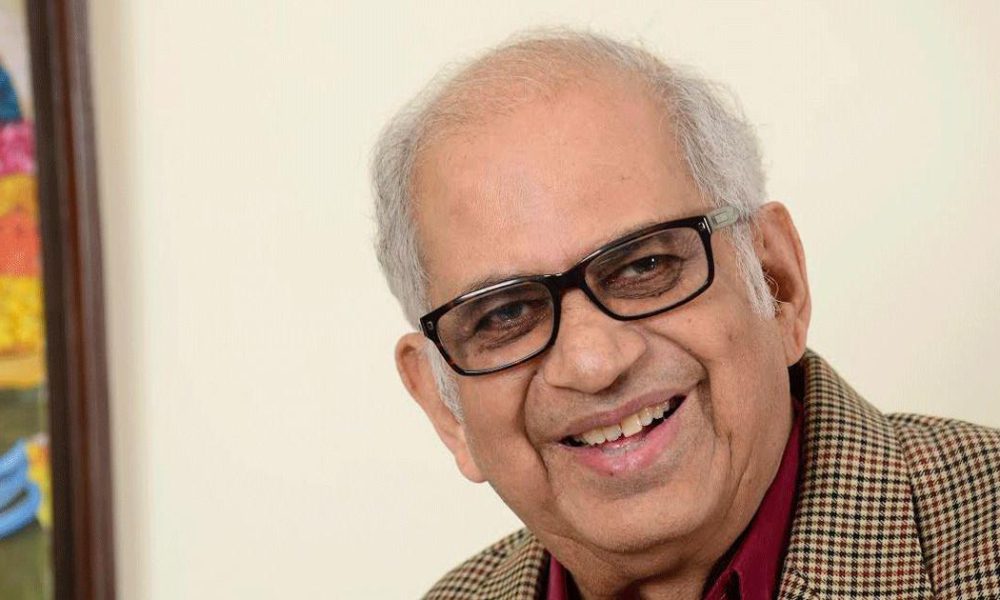
In the late 1940s, India’s scientific community witnessed the formation of the Association of Scientific Workers of India (ASWI), a pioneering organization aimed at fostering a scientific mindset across the nation. Jawaharlal Nehru, the first Prime Minister, was the inaugural president of this trade union, which comprised scientists holding at least a Bachelor of Science (BSc) degree. Among the founding members was Pushpa Mitra Bhargava, who played a crucial role as the Secretary of the Hyderabad branch from 1950 to 1953.
The ASWI initially embarked on a promising journey to promote scientific temper, a term that encapsulates an evidence-based approach to understanding the world. However, despite its noble intentions, the organization quickly spiraled into obscurity, largely due to the shifting political landscape and the growing influence of superstition in governance. A notable example is M Channa Reddy, a young minister of the time who later became the Chief Minister of Andhra Pradesh. As his political career flourished, so did his superstitious beliefs, leading him to rely on talismans for protection against misfortune.
By 1963, the ASWI’s fortunes had diminished to the point where its revival seemed unlikely. Recognizing the urgent need for an organization dedicated exclusively to the promotion of scientific temper, Bhargava, alongside fellow scientists Satish Dhawan and Abdur Rahman, chose to establish a new entity: the Society for the Promotion of Scientific Temper. This initiative was driven by the conviction that India’s progress depended on a strong foundation of rational thinking and empirical understanding.
The Society wasted no time in articulating its mission, publishing a detailed statement in the journal Seminar that defined scientific temper and emphasized its significance in contemporary society. This foundational document aimed to reestablish scientific principles as a guiding force in policy-making and education, particularly at a time when irrational beliefs threatened to overshadow empirical evidence.
Bhargava’s efforts, alongside those of his contemporaries, laid the groundwork for a renewed focus on science education in India. The movement sought to inspire future generations to question, investigate, and understand the world through a scientific lens. As India continues to grapple with various challenges, the legacy of Bhargava and the Society serves as a compelling reminder of the importance of nurturing a scientific temper to ensure the country’s progress and development.
Source: scroll.in







No Comment! Be the first one.