

CJP Challenges PM Modi’s Call for Forgiveness Amid Controversial Police Action Against Students
In a notable turn of events following Prime Minister Narendra Modi’s recent remarks directed at students, questions about accountability have surfaced. Modi expressed a desire to forgive...

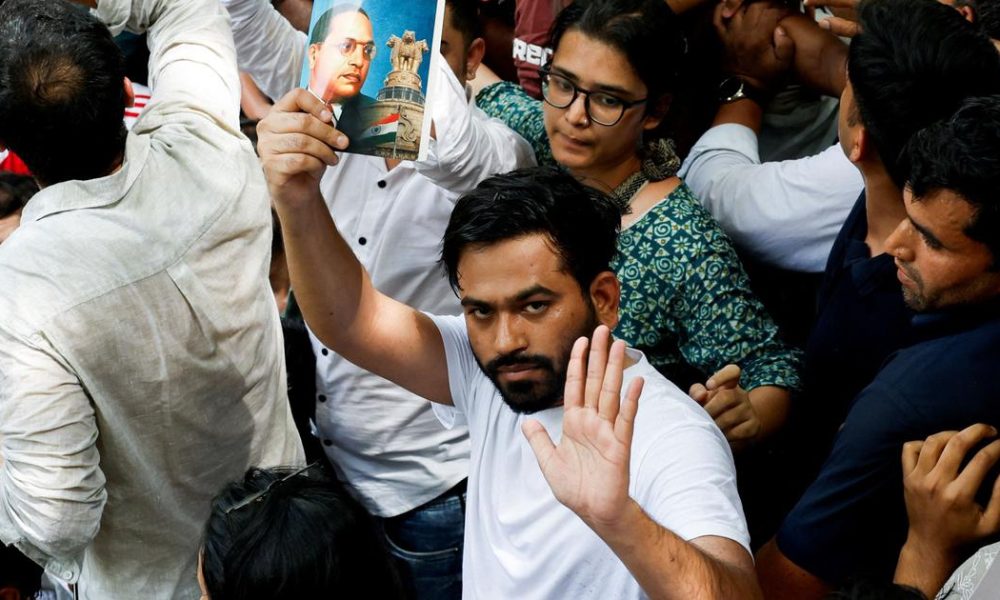
In a notable turn of events following Prime Minister Narendra Modi’s recent remarks directed at students, questions about accountability have surfaced. Modi expressed a desire to forgive students who allegedly directed abusive comments towards him during a social media broadcast. This statement, however, has prompted responses from various quarters, including the Cockroach Janta Party (CJP), led by its founder Abhijeet Dipke.
Dipke’s remarks came on Saturday, a day after Modi’s video, during which he addressed the contentious issue of student protests that led to a police crackdown on July 20. Notably, Dipke challenged Modi to extend his call for forgiveness to the students who were subjected to what he described as a brutal lathi-charge by the police. He highlighted serious allegations, including the claim that young girls, some as young as 12, were injured during the police action.
In his video, Modi had characterized the students’ language as unbecoming of a civilized society and called for restraint from the public, urging that punitive measures against the protesters would not resolve the underlying issues. “I want to forgive them,” Modi stated, emphasizing the need to guide youth through difficult times rather than further escalate tensions. However, Dipke’s response has drawn attention to the contrasting narratives surrounding the government’s treatment of student dissent and the potential need for accountability in handling protests.
Dipke also made grave assertions about the police’s conduct, alleging not only physical violence but also inappropriate actions against female students during the protests. His comments raise crucial questions about the conduct of law enforcement during student demonstrations, particularly in light of the state’s responsibility to protect all citizens, especially minors. As the discourse unfolds, many are left wondering about the implications of Modi’s call for forgiveness against the backdrop of allegations of state violence.
The incident at the heart of this controversy reflects ongoing tensions in Indian society regarding freedom of expression, particularly among the youth, and raises critical considerations about the balance between maintaining public order and respecting citizens’ rights. As the conversation around these issues continues, it is clear that the call for forgiveness must be accompanied by a dialogue about accountability and justice.
Source: scroll.in




No Comment! Be the first one.