

Young Muslim Voices: Navigating Ambivalence Amidst Recent Protests
As protests surge across the country, many young Muslims are reflecting on their experiences from the protracted demonstrations against the Citizenship Amendment Act (CAA) that took place in late...

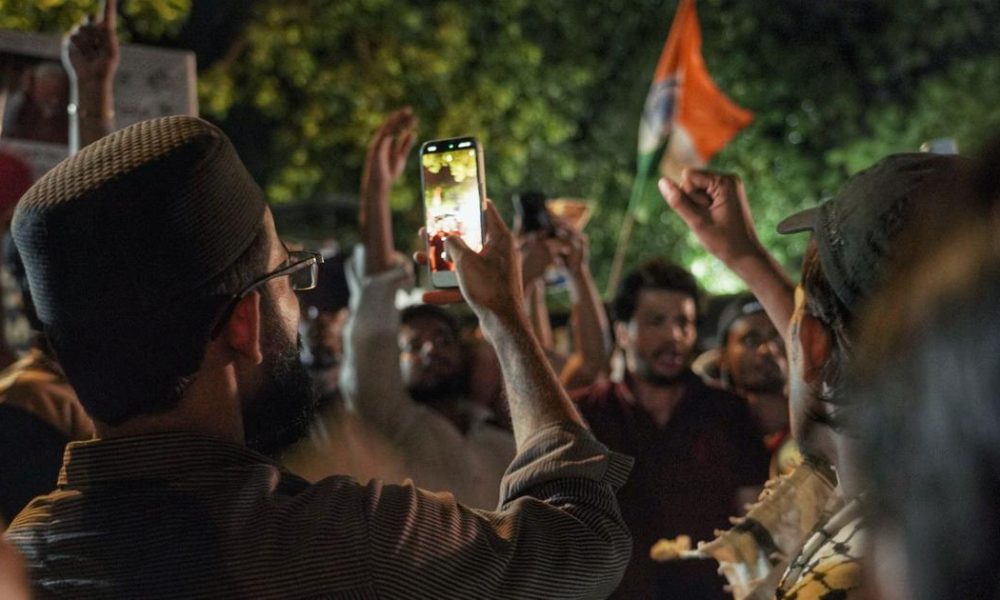
As protests surge across the country, many young Muslims are reflecting on their experiences from the protracted demonstrations against the Citizenship Amendment Act (CAA) that took place in late 2019 and early 2020. Fatima, a 28-year-old media professional based in Delhi, shares her perspective on the ongoing unrest, drawing inspiration from past student leaders like Umar Khalid and Sharjeel Imam, whose speeches she listens to before her workouts. Both figures gained notoriety during the anti-CAA protests and have since been imprisoned for alleged involvement in the 2020 Delhi riots.
During the anti-CAA protests, Fatima was a student at Jamia Millia Islamia University, and she vividly recalls the day on December 15, 2019, when police violently entered the campus. The traumatic memories of that day have fueled her desire to join the recent protests at Jantar Mantar, particularly after the police crackdown on demonstrators attempting to march to Parliament on July 20. These events have intensified her feelings about the necessity of standing up against perceived injustices.
However, despite her eagerness to participate in protests organized by groups like the Cockroach Janta Party, which originated as a satirical meme page and has been vocal against question paper leaks since June 6, Fatima finds herself hesitating. Her concerns are rooted in a lack of ideological clarity and what she perceives as a lack of conviction among the protest leaders. “They seem to lack a clear direction and determination,” she notes, reflecting a broader ambivalence felt by many young Muslims today.
This ambivalence is not just a personal sentiment but reflects a generational dilemma. Many young Muslims feel the lingering impact of the CAA protests, which have left emotional scars and a sense of distrust towards political movements that lack a coherent message. The question of representation and leadership remains a pressing issue, with many feeling disenfranchised by movements that do not resonate with their values or aspirations.
As the landscape of activism evolves, it remains to be seen how young Muslim voices will shape the narrative moving forward. The intersection of personal experiences, collective trauma, and the pursuit of justice continues to drive the discourse among this demographic. Ultimately, the challenge lies in reconciling past wounds with the demands of the present, as they strive to forge a more inclusive and principled approach to protest and advocacy.
Source: scroll.in



No Comment! Be the first one.