

Supreme Court Grants Bail to UAPA Detainees After 12 Years, Citing Delayed Trial
The Supreme Court of India has granted bail to two individuals who had been incarcerated for over a decade under the Unlawful Activities Prevention Act (UAPA). The decision, made on Tuesday,...

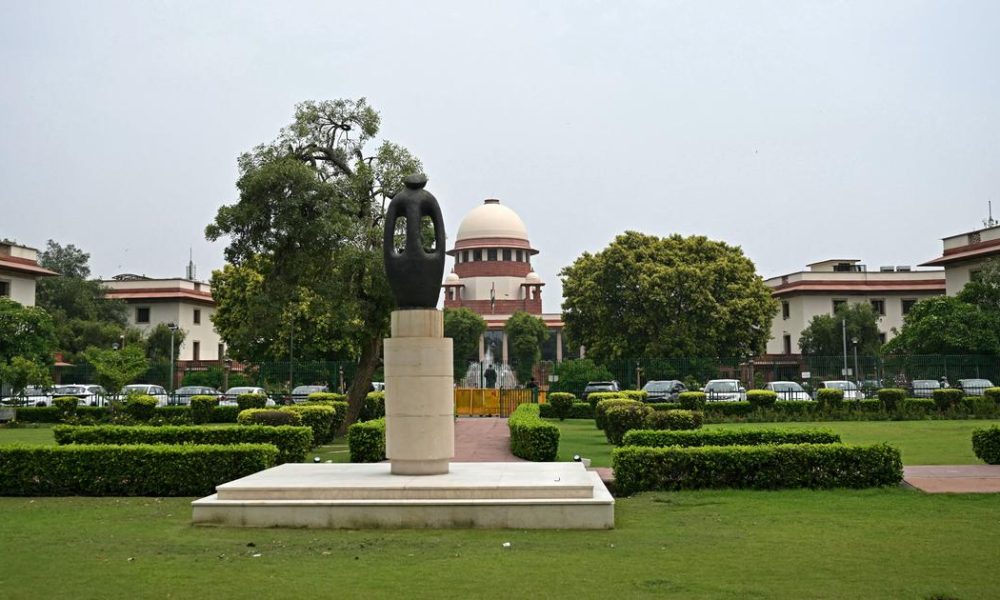
The Supreme Court of India has granted bail to two individuals who had been incarcerated for over a decade under the Unlawful Activities Prevention Act (UAPA). The decision, made on Tuesday, highlights the court’s concern regarding the prolonged duration of the trial, which shows no signs of reaching a conclusion anytime soon.
A bench comprising Justices Vikram Nath and Sandeep Mehta emphasized that the extended detention of the two suspects—Mohammed Saquib Ansari and Waqar Azhar—constitutes a violation of their fundamental right to personal liberty, as enshrined in Article 21 of the Indian Constitution. The court’s ruling mandates their release on bail, subject to conditions set by the trial court, provided that they are not implicated in any other legal matters.
The case traces back to November 2011, when authorities arrested an alleged member of the Indian Mujahideen. During interrogation, this individual purportedly revealed the existence of a Rajasthan-based module linked to the banned organization. Following these disclosures, law enforcement officials conducted searches at properties associated with Ansari in Jodhpur and Azhar in Jaipur, allegedly recovering explosives and materials indicative of improvised explosive device (IED) production.
Subsequently, both men were taken into custody by the Delhi Police Special Cell in March 2014. Their arrests resulted in the filing of separate first information reports (FIRs) in Rajasthan, with additional charges stemming from an FIR lodged by the Delhi Police. The extended period of detention without trial has raised questions about the judicial process and the rights of individuals held under terrorism-related charges in India.
The Supreme Court’s decision sheds light on the critical issue of delayed justice in the Indian legal system, particularly for those accused under stringent laws like the UAPA. The court’s ruling not only serves as a relief for Ansari and Azhar but also prompts a broader discussion on the implications of prolonged detentions and the need for a more efficient judicial process to uphold fundamental rights.
Source: scroll.in






No Comment! Be the first one.