

Lok Sabha Passes Bill to Strengthen Anti-Paper Leak Laws Amid Nationwide Protests
In a significant move on Wednesday, the Lok Sabha approved a bill aimed at amending the existing anti-paper leak legislation, following widespread protests across the country regarding alleged...

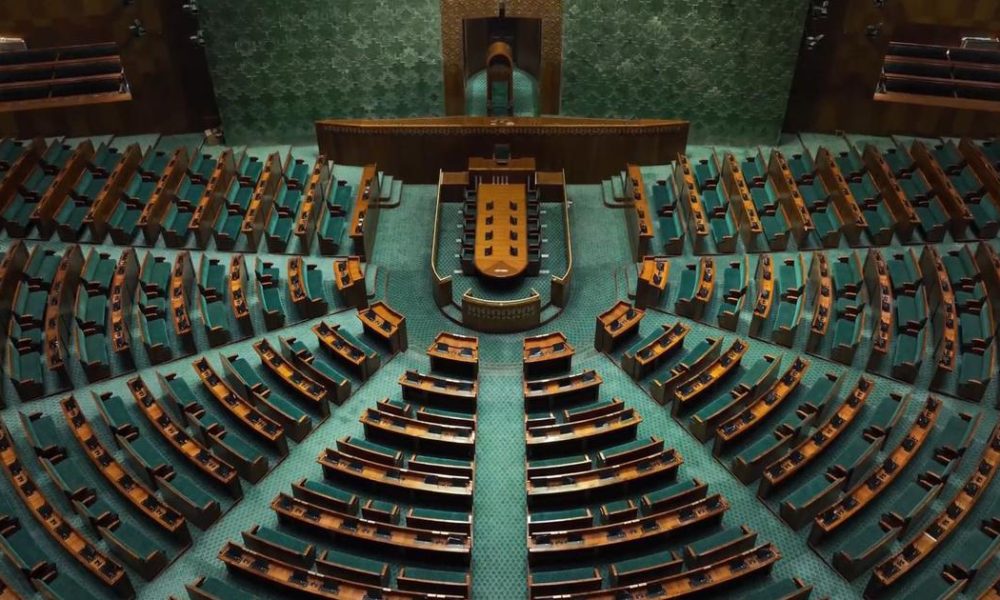
In a significant move on Wednesday, the Lok Sabha approved a bill aimed at amending the existing anti-paper leak legislation, following widespread protests across the country regarding alleged misconduct during competitive examinations. The bill, known as the 2026 Public Examinations Prevention of Unfair Means Amendment Bill, was passed via a voice vote and will now be presented to the Rajya Sabha for further consideration. If the Upper House approves the bill, it will then be sent to the President for final approval.
The introduction of this legislation comes in the wake of protests that erupted in response to irregularities observed in various public examinations. Union Minister Jitendra Singh, who presented the bill, emphasized the urgency of this action, particularly referencing the recent paper leak in the 2026 National Eligibility-cum-Entrance Test (NEET). Singh reported that since the enactment of the 2024 Public Examinations Prevention of Unfair Means Act, 52 first information reports (FIRs) had been registered against the perpetrators of examination malpractice.
The proposed amendments stipulate stringent penalties for those found guilty of using unfair means during public examinations, setting forth a prison sentence ranging from five to ten years. Additionally, the financial penalties for offenders are set to increase dramatically, with fines rising from ₹10 lakh to ₹50 lakh, reflecting the government’s commitment to upholding the integrity of the examination process.
During the legislative proceedings, the atmosphere was charged as opposition members vocally expressed their demands for justice for protestors hurt during marches to Parliament on July 20. Reports indicate that many demonstrators were injured as law enforcement used batons, tear gas, and pellet guns to disperse crowds. This situation highlights a growing discontent among students and their advocates regarding the fairness and transparency of competitive examinations in India.
Pralhad Joshi, the newly appointed Minister of Education, welcomed the bill’s passage, underscoring the government’s determination to combat examination fraud effectively. As this bill moves through the parliamentary process, it remains to be seen how it will impact the future of public examinations and the students who participate in them. The ongoing discourse surrounding educational reforms in India continues to evoke strong sentiments, as stakeholders from diverse backgrounds advocate for a system that prioritizes justice and fairness.
Source: scroll.in






No Comment! Be the first one.