

Delhi High Court Rejects Petition for NIA Inquiry into Youth Protests
The Delhi High Court has dismissed a petition that sought an investigation by the National Investigation Agency (NIA) into recent youth protests in the capital, including a significant march to...

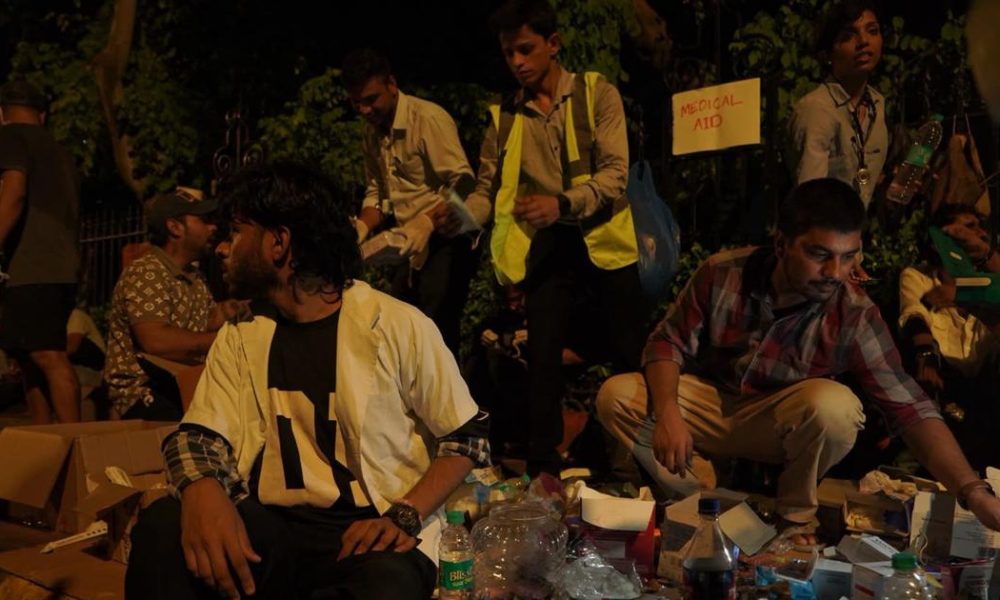
The Delhi High Court has dismissed a petition that sought an investigation by the National Investigation Agency (NIA) into recent youth protests in the capital, including a significant march to Parliament on July 20. The court emphasized that the decision to refer any case to the NIA rests solely with the Union government.
The petition was brought forth by a former representative of the Akhil Bharat Hindu Mahasabha, who claimed that the protests were part of a wider conspiracy allegedly involving external funding. However, the court, presided over by Chief Justice DK Upadhyaya and Justice Tejas Karia, clarified the legal framework surrounding the NIA’s operations.
According to the judges, only the central government has the authority under Section 6 of the National Investigation Agency Act to determine whether a case warrants a transfer to the NIA. In their remarks, the court noted, “You are asking us to form an opinion that this is a fit case. This job has been entrusted to the Central government.” This statement highlights the judiciary’s reluctance to interfere in matters that fall within the purview of executive decisions.
Solicitor General Tushar Mehta, representing the Centre, had urged the court to consider issuing a notice related to the case, citing it involved significant public law questions. Despite this, the court maintained that the government has the discretion to decide the necessity of an NIA investigation.
The backdrop of this case involves heightened tensions following protests by students and youth groups against alleged irregularities in examinations. The July 20 march was a focal point of these demonstrations, illustrating the widespread unrest among the youth. As these protests unfolded, various political and social organizations interpreted them through different lenses, further complicating the narrative surrounding them.
With the court’s ruling, the onus now lies with the central government, which must weigh the implications of an investigation and whether such a move would be necessary to address the allegations made against the protesters. As the situation evolves, it remains to be seen how the government will respond to the demands for scrutiny, and whether it will opt for a deeper investigation into the claims of conspiracy and external funding.
Source: scroll.in





No Comment! Be the first one.