

How Young Migrant Workers are Shaping India’s Demographic Landscape
The Covid-19 pandemic served as a turning point for millions of migrant workers across India. As lockdown measures came into force, many found themselves stranded in unfamiliar territories, devoid of...

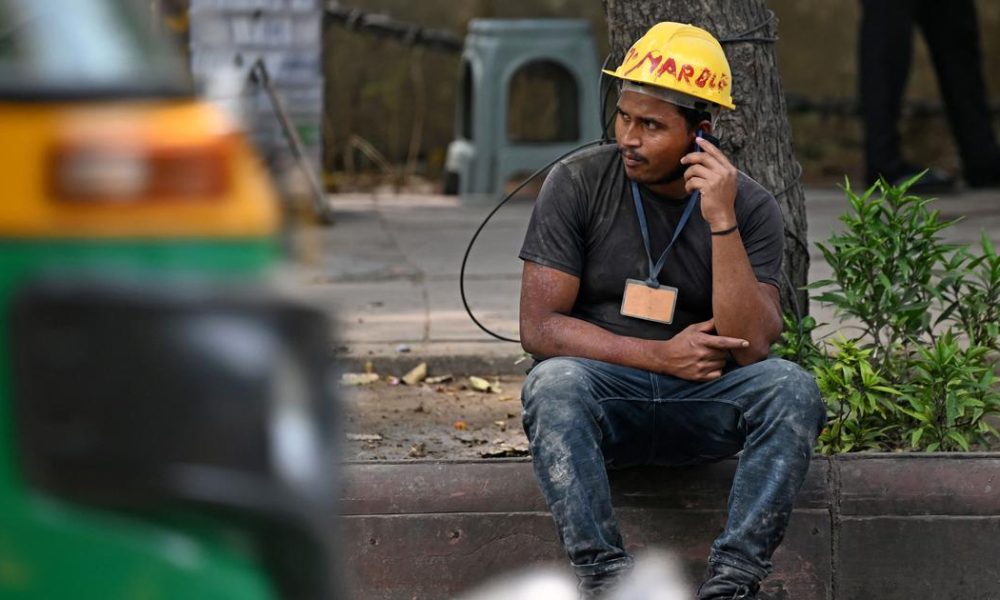
The Covid-19 pandemic served as a turning point for millions of migrant workers across India. As lockdown measures came into force, many found themselves stranded in unfamiliar territories, devoid of employment, financial resources, or even a clear path home. This predicament forced state governments to scramble in an attempt to ascertain the number of migrants present within their borders, in order to provide necessary assistance such as free food grain and medical care.
Migrant workers form a diverse group, characterized by their movement across various states, often driven by a multitude of factors. A recent study conducted by researchers from Azim Premji University delved into government databases to paint a clearer picture of the average migrant worker in India. The findings reveal that many informal workers, particularly those hailing from the eastern states, often embark on lengthy journeys in search of better job opportunities.
Interestingly, the study highlights that much of the migration is motivated by economic distress. However, spatial variations emerge, indicating that economic challenges and established migration routes play a significant role in determining where individuals choose to seek work. Workers from states grappling with lower per capita incomes and higher fertility rates tend to migrate towards wealthier states with lower fertility rates. This dynamic is what researchers have termed a ‘rebalancing’ of India’s demographic dividend.
India’s census processes have traditionally included migrants, counting those within and across state lines. However, with the current census being over 15 years old, there is a pressing need for updated data to better understand the intricacies of migration patterns in the country. As interviewed by IndiaSpend, Tamoghna Halder, a co-author of the ‘State of Working India’ report 2026 and an economics educator at Azim Premji University, emphasized the importance of having accurate and timely data to aid in policy formulation and support for migrant workers.
In summary, the complex tapestry of migration in India is continuously evolving. Young, educated individuals are increasingly seeking opportunities outside their home states, contributing to a demographic shift that could have significant implications for the nation’s labor market and economy. As the country continues to grapple with the aftermath of the pandemic, understanding these migration trends will be crucial for shaping a more inclusive and supportive environment for all workers.
Source: scroll.in





No Comment! Be the first one.