

Exploring Zohran Mamdani’s Proposal: A Tax on Luxury Second Homes Could Benefit Indian Cities
In a bold move, New York Mayor Zohran Mamdani has advocated for a ‘pied-à-terre tax’ aimed at luxury second homes, a concept that Indian cities might consider in their urban policy...

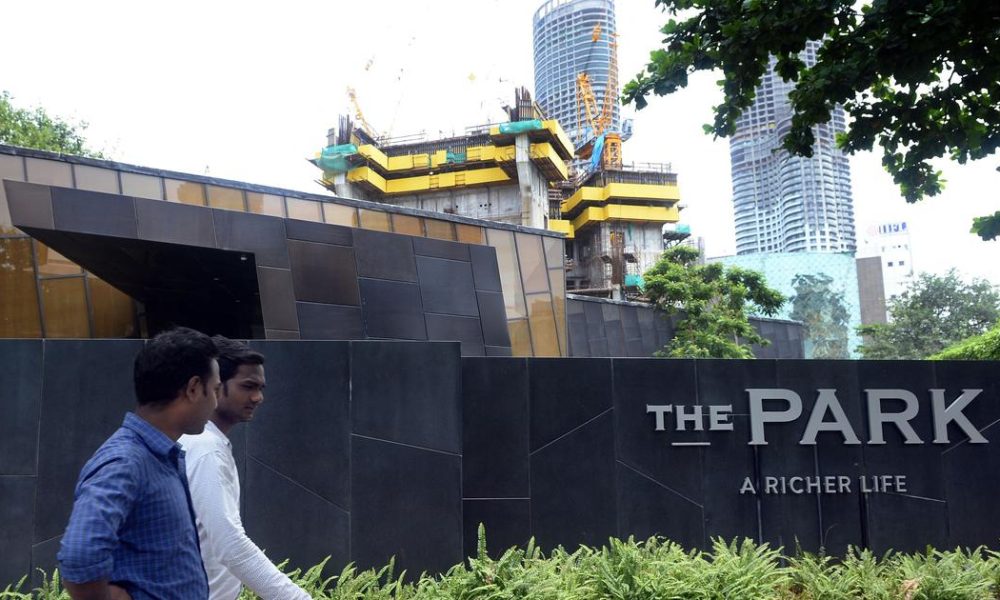
In a bold move, New York Mayor Zohran Mamdani has advocated for a ‘pied-à-terre tax’ aimed at luxury second homes, a concept that Indian cities might consider in their urban policy discussions. This tax, recently passed by New York State lawmakers, targets high-value properties that are not primary residences, particularly those valued above $5 million.
The concept of a pied-à-terre tax is not entirely new; cities like London, Vancouver, and Paris have seen similar discussions. These cities often grapple with the issue of wealthy investors purchasing luxury apartments that remain unoccupied for most of the year, contributing little to local taxes despite benefiting from the city’s infrastructure, services, and soaring property values.
Mamdani’s initiative arises from a significant budget deficit in New York City, where the local government is exploring various avenues to bolster municipal finance without imposing additional burdens on average residents. The proposed tax is projected to generate approximately $500 million annually, presenting a viable solution for addressing the fiscal challenges faced by urban administrations.
For Indian cities, where economic disparities are stark and urban housing crises are prevalent, the idea of taxing second homes owned by the affluent could serve multiple purposes. Not only could it help in generating revenue, but it may also encourage a more equitable distribution of resources and reduce the concentration of wealth in urban centers. The ongoing urban development in cities like Mumbai, Delhi, and Bengaluru, combined with a growing number of luxury developments, underscores the relevance of this discussion.
However, this proposal is not without its detractors. Critics often argue that such taxes could discourage investments in real estate, potentially leading to a decline in property values. Moreover, there are concerns regarding how these funds would be utilized and whether they would genuinely benefit the local community. Nonetheless, the conversation around the pied-à-terre tax is crucial, especially as Indian cities continue to navigate complex socio-economic landscapes.
Source: scroll.in







No Comment! Be the first one.