

India Faces 43% Rainfall Deficit: Kharif Crops Under Threat
India is grappling with a significant rainfall shortfall of 43% during the current monsoon season, raising alarms about the potential impact on kharif crops. Union Agriculture Minister Shivraj Singh...

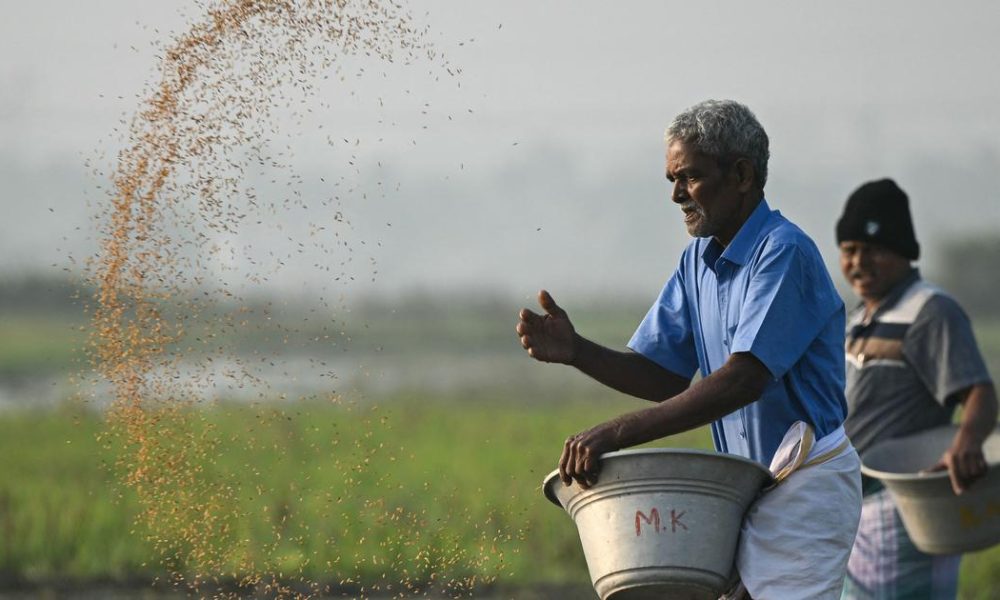
India is grappling with a significant rainfall shortfall of 43% during the current monsoon season, raising alarms about the potential impact on kharif crops. Union Agriculture Minister Shivraj Singh Chouhan expressed these concerns on Tuesday, highlighting the urgent need for contingency measures as the monsoon progresses.
The kharif season, critical for India’s agricultural calendar, spans from June to October. It is during this period that farmers sow crops, which are typically harvested at the end of the monsoon. However, the severe deficit in rainfall is likely to affect crop yields adversely, particularly in regions where irrigation infrastructure is limited.
According to Chouhan, approximately 315 districts across the country may experience the repercussions of inadequate monsoon rainfall. In a meeting convened with state agriculture ministers, district collectors, and experts from agricultural and meteorological agencies, the minister classified these districts based on their irrigation coverage. Of particular concern are 111 districts with less than 25% irrigation, which have been labeled as high priority for intervention. A further 76 districts, with irrigation coverage between 25% and 50%, fall under medium priority, while 128 districts with better irrigation facilities are considered low priority.
The regions most affected by the rainfall deficit span 12 states, including Andhra Pradesh, Bihar, Gujarat, Jharkhand, Karnataka, Madhya Pradesh, Maharashtra, Odisha, Rajasthan, Tamil Nadu, Telangana, and Uttar Pradesh. Each of these states faces unique challenges, with farmers at risk of substantial crop loss if the monsoon does not improve.
The minister attributed the ongoing weak monsoon conditions to the influence of El Niño, a climatic phenomenon known to disrupt weather patterns and adversely affect rainfall across the subcontinent. In response to this challenge, the central government has activated contingency plans aimed at supporting the most vulnerable districts, emphasizing the importance of close monitoring of rainfall and crop statuses moving forward.
Source: scroll.in






No Comment! Be the first one.