

Controversy Over Churchill’s Role in Bengal Famine Leads to Artwork Removal from London Gallery
A recent controversy has led to the withdrawal of a video installation from the National Portrait Gallery in London, which focused on the contentious role of former British Prime Minister Winston...

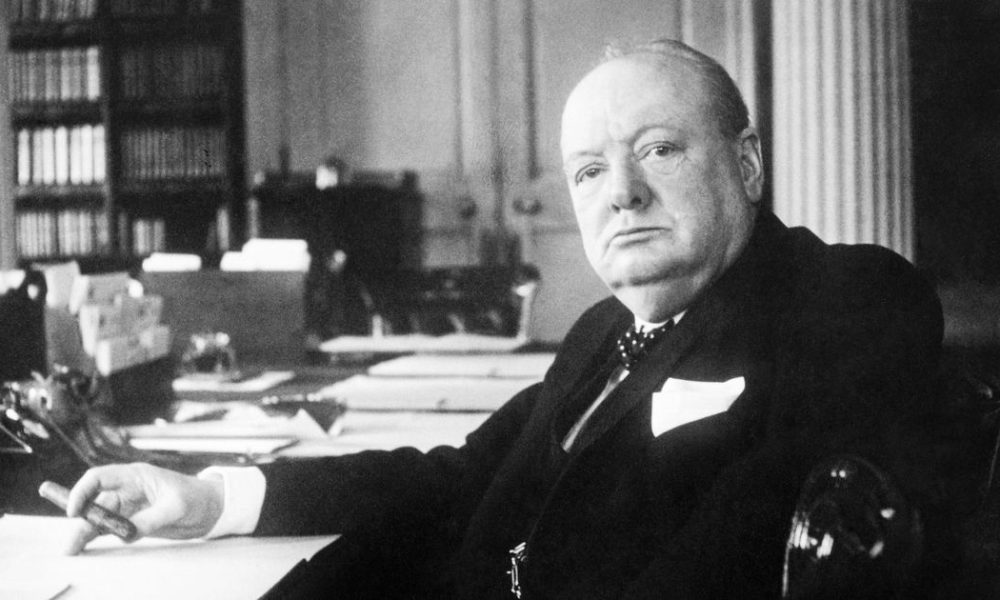
A recent controversy has led to the withdrawal of a video installation from the National Portrait Gallery in London, which focused on the contentious role of former British Prime Minister Winston Churchill during the Bengal famine of 1943. The artwork, titled Persistence, was created by artist Helen Cammock and had been part of a temporary exhibition, which was set to conclude in August. The installation consisted of a 40-minute video narrated by Cammock herself.
In her video, Cammock drew parallels between the military campaigns of 17th-century English soldier Oliver Cromwell in Ireland and Churchill’s handling of the Bengal famine, suggesting that both leaders exhibited a disregard for human suffering. The famine, which claimed the lives of approximately three million people in eastern India, has long been a subject of intense debate among historians and scholars. Notably, Nobel laureate economist Amartya Sen has attributed the famine to the wartime policies of Churchill’s government, including inflation control failures and prioritization of resources for British soldiers over starving civilians.
However, the narrative surrounding the causes of the famine is not universally accepted. Some historians argue that external factors, such as the Japanese invasion of Burma in 1941, which severely disrupted rice supplies to India, played a more significant role in exacerbating the crisis than Churchill’s policies. This divergence of opinion reflects the broader contention over colonial history and its interpretation.
The artwork sparked significant backlash, culminating in an open letter addressed to the National Portrait Gallery. Historian Andrew Roberts spearheaded the correspondence, which garnered the signatures of 50 prominent individuals expressing concern over the portrayal of Churchill. Critics of Cammock’s video have questioned its historical accuracy and argued that it unfairly attributes the famine’s causes to Churchill without adequately considering the broader context.
This incident highlights the ongoing discussions around colonial legacies and the complexities of historical narratives. As debates over the interpretation of historical figures like Churchill continue, the removal of Cammock’s video installation serves as a reminder of the sensitive nature of colonial history and the differing perspectives that exist within it.
Source: scroll.in





No Comment! Be the first one.