

Addressing India’s Energy Crisis: The Cooling Demand Dilemma
India faces a mounting energy crisis that is increasingly intertwined with the rising demand for cooling solutions. The soaring temperatures across the country have led to a surge in electricity...

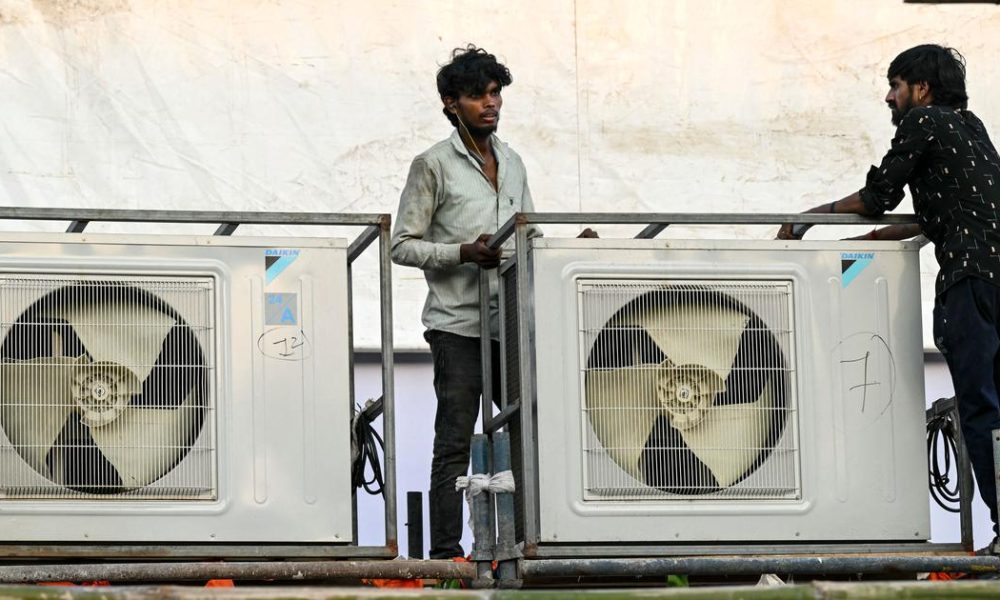
India faces a mounting energy crisis that is increasingly intertwined with the rising demand for cooling solutions. The soaring temperatures across the country have led to a surge in electricity consumption, particularly from air conditioning units and other cooling appliances. On May 21, the nation witnessed a peak electricity demand that surpassed the Central Electricity Authority’s projection for 2026, reaching an unprecedented 270 gigawatts. This spike has resulted in power outages in various regions, underlining the fragility of India’s power grid.
Studies indicate that air conditioning systems account for a substantial portion of peak summer electricity loads, contributing between 40% to 60% in major urban centers. This escalating demand not only puts immense pressure on the existing power infrastructure but also exposes its vulnerabilities. Frequent power disruptions, equipment malfunctions, and transformer failures have become common occurrences, highlighting the urgent need for a more resilient power system capable of handling the increasing demands of a warming climate.
Extreme heat not only drives up energy consumption but also undermines the infrastructure necessary to supply that power. In India, approximately 1.3 million distribution transformers fail each year, primarily due to overloading and inadequate maintenance. Additionally, heatwaves adversely affect transmission lines, causing them to sag and trip under the intense temperatures. These issues escalate transmission and distribution losses, further exacerbating the power shortages experienced across the nation.
The demand for cooling energy is projected to rise dramatically, potentially increasing up to 15 times in the coming years. As such, India’s energy transition must go beyond merely expanding renewable energy sources; it must also focus on developing a robust power grid that can equitably meet the growing demands of its population. The dual challenges of climate change and urbanization necessitate innovative solutions that enhance the efficiency and reliability of the power supply, ensuring that all citizens have access to essential energy services.
To effectively manage this cooling challenge, India needs to invest in modernizing its power grid, adopting smart grid technologies, and enhancing infrastructure resilience. Policymakers and stakeholders must collaborate to implement strategies that improve energy efficiency and advance sustainable practices. This multifaceted approach is crucial not only for meeting current energy demands but also for safeguarding the future energy security of the nation.
Source: scroll.in





No Comment! Be the first one.