

Exploring Cultural Shadows: Aruna Chakravarti’s Haunting Tales of India
In her latest collection, Creeping Shadows, author Aruna Chakravarti delves into an evocative world where the supernatural intertwines with the fabric of Indian culture and history. Comprising 13...

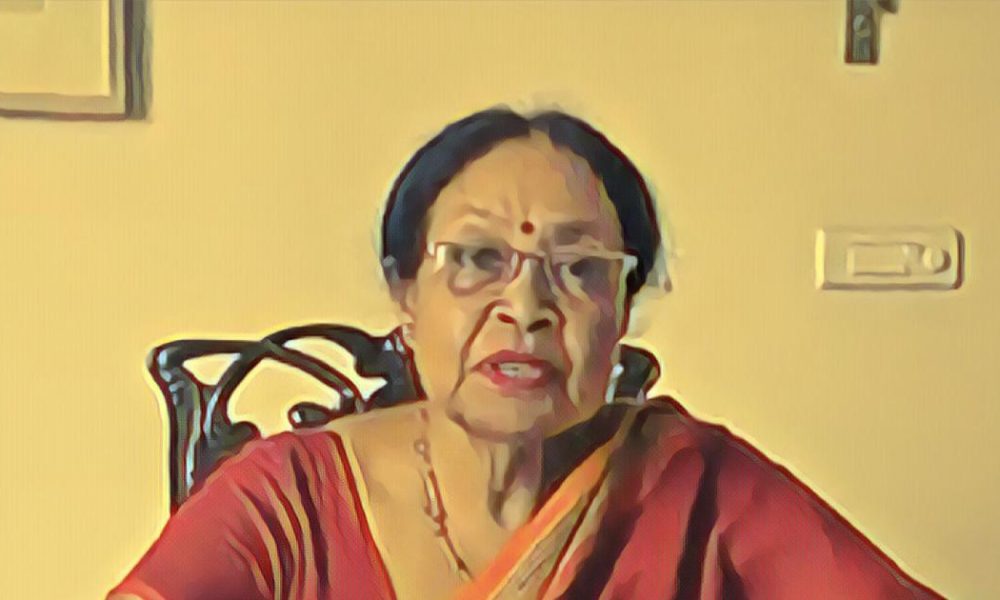
In her latest collection, Creeping Shadows, author Aruna Chakravarti delves into an evocative world where the supernatural intertwines with the fabric of Indian culture and history. Comprising 13 short stories, this collection presents a haunting exploration of familiar locales and moments, casting a spectral lens on the ordinary while drawing attention to deeper societal issues.
Chakravarti weaves tales that are not only steeped in the supernatural but also anchored in the stark realities of caste conflicts, the chilling echoes of national tragedies, and the striking imagery of colonial Calcutta. The stories draw from the author’s own experiences and the narratives she has encountered, creating a rich tapestry that bridges reality and the supernatural.
Among the gripping narratives is “Vendetta,” set in the culturally vibrant Chittaranjan Park in South Delhi. The story unfolds a poignant conflict between humanity and nature, symbolized by trees whose roots defiantly rise above the ground, protesting against environmental degradation. This tale serves as a stark reminder of the ecological crises faced in contemporary India, challenging readers to reconsider their relationship with nature.
Another standout, “The Necklace,” offers a chilling portrayal of love and betrayal. It revolves around an Anglo-Indian woman entangled in a passionate yet dangerous romance with a royal from Rajasthan. The story starkly highlights the perils women face, where societal norms equate rejection with a grave betrayal, reflecting the deep-seated patriarchal structures that persist in society.
Chakravarti introduces an intriguing premise that ghosts traverse through time and space, giving life to stories like “The House of Flowers.” Here, secrets from ancient China are unveiled as a grandfather shares his hidden past with his granddaughter, Mei, on his deathbed. Such narratives not only entertain but invite readers to reflect on the legacies we inherit and the secrets that shape our identities.
Through her engaging storytelling, Aruna Chakravarti not only entertains but also provokes thought about the underlying moral dilemmas and historical contexts that haunt Indian society. Her work serves as a mirror reflecting the complexities of life, where the past and present converge, and where the shadows of history continue to influence contemporary realities.
Source: scroll.in







No Comment! Be the first one.