

Bangladesh’s Padma Barrage: A Bold Step Amid South Asia’s Deteriorating Water Security
Bangladesh has recently greenlit one of its most significant river management projects to date: the Padma Barrage. This initiative aims to address the pressing water shortages in the drought-affected...

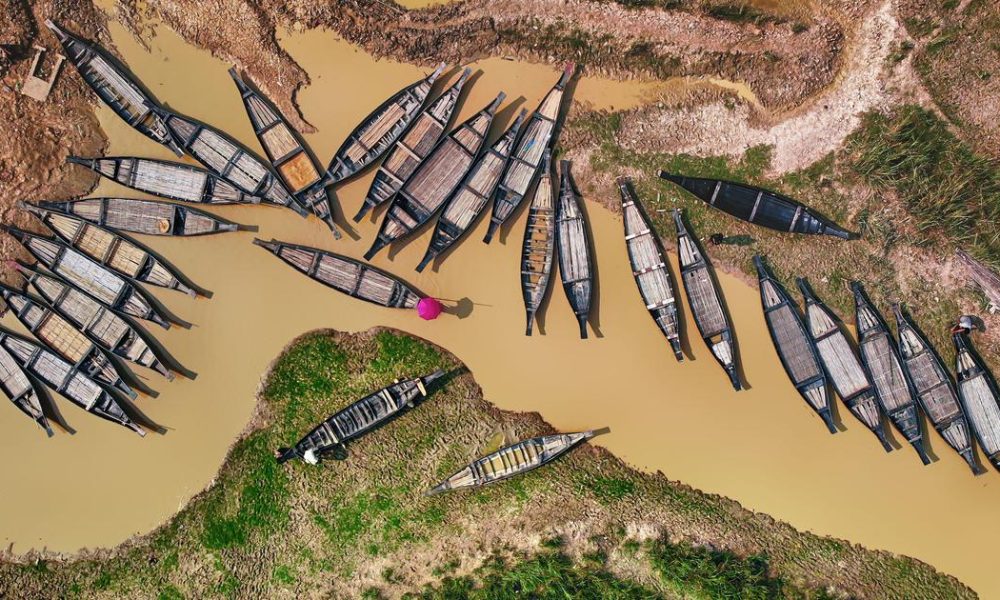
Bangladesh has recently greenlit one of its most significant river management projects to date: the Padma Barrage. This initiative aims to address the pressing water shortages in the drought-affected southwestern region of the country. However, this decision comes at a precarious time for the water systems of South Asia, marked by escalating competition and unilateral developments among neighboring nations.
In recent years, Chinese authorities have embarked on constructing the world’s largest hydropower dam on the Brahmaputra River, further intensifying the battle for water resources in the region. Concurrently, India is ramping up its own dam construction efforts, contributing to an ongoing regional race to harness river systems. The current treaty governing the sharing of Ganges waters between India and Bangladesh is set to expire in December 2026, raising concerns regarding future cooperation and water security in the area.
Proponents of the Padma Barrage argue that it is a necessary measure to combat chronic water scarcity faced by Bangladesh. The country, situated at the terminus of the extensive Ganges-Brahmaputra river basin, is experiencing alarming water shortages despite the abundance of rivers that flow from the Himalayas. Many key river channels are experiencing significant reductions in water flow during the dry summer months, and several smaller waterways are vanishing altogether, threatening local ecosystems and communities.
The challenges faced by Bangladesh are not entirely of its own making. The construction of the Farakka Barrage in India during the 1970s significantly redirected water flow from the Ganges to benefit Kolkata, the country’s major city, which has had detrimental effects on the river’s downstream flows. This diversion has led to reduced water availability in Bangladesh, exacerbating existing crises.
As South Asia enters a new phase of aggressive dam construction, the lack of cohesive institutional frameworks for river management raises alarms. The unilateral approach taken by countries in the region risks deepening the cycle of water insecurity rather than alleviating it. The Padma Barrage could potentially contribute to tensions over shared water resources, making the need for collaborative solutions more urgent than ever. Without a multifaceted strategy that involves dialogue and cooperation, the dream of sustainable water management in South Asia may remain out of reach.
Source: scroll.in







No Comment! Be the first one.