

Implications of El Niño on India’s Monsoon: Analyzing the Forecast
As India braces for the upcoming monsoon season, the forecast from the India Meteorological Department (IMD) raises concerns. Following an unusually hot season, the IMD has downgraded its monsoon...

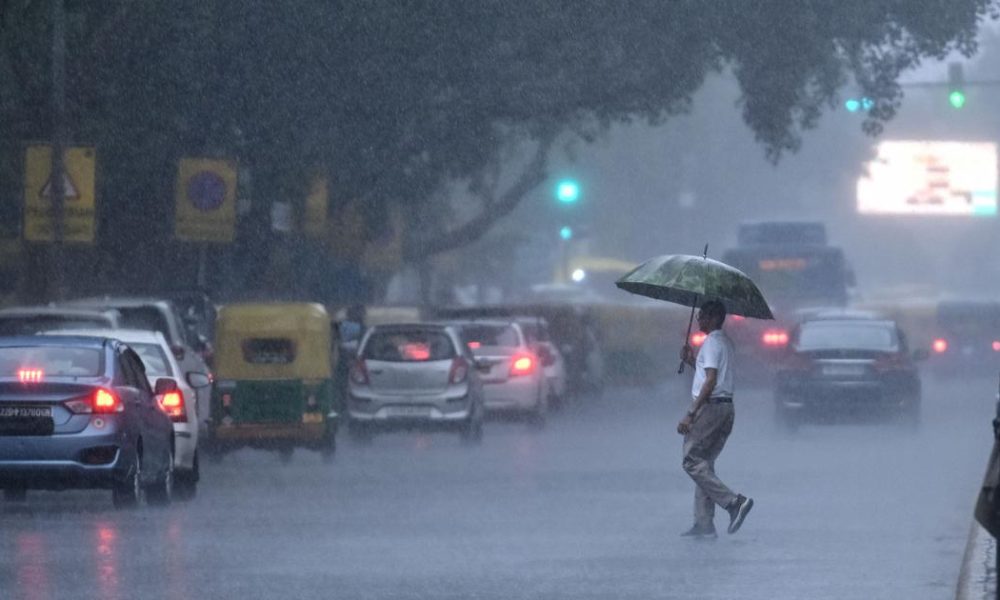
As India braces for the upcoming monsoon season, the forecast from the India Meteorological Department (IMD) raises concerns. Following an unusually hot season, the IMD has downgraded its monsoon projection to 90% of the long-term average, a dip from its earlier estimate of 92%. This adjustment signals a challenging monsoon, exacerbated by the looming El Niño phenomenon in the Pacific Ocean.
El Niño, a significant component of the El Niño-Southern Oscillation (ENSO), represents a complex interplay between oceanic and atmospheric conditions. Typically characterized by weakened trade winds, El Niño leads to the eastward movement of warm water across the Pacific, which disrupts normal weather patterns. According to the National Oceanic and Atmospheric Administration, this shift can bring about heavy rainfall and flooding in regions such as South America, while conversely triggering droughts in parts of Australia and Indonesia.
This year, experts are particularly worried about the potential onset of a “super El Niño,” which could manifest in the latter half of the year and extend into early 2024. A super El Niño would significantly amplify the effects typically associated with this climatic event, potentially leading to further disruptions in the monsoon rains that are crucial for India’s agriculture and water supply.
Historically, the impact of El Niño on India’s monsoon has been profound. The Indian subcontinent relies heavily on the southwest monsoon for irrigation and drinking water, making any deviations from the norm a cause for serious concern. The possibility of a reduced rainfall season could have dire consequences for food security and agricultural output, heightening the urgency for farmers and policymakers alike to prepare for adverse weather conditions.
As the country turns its eyes toward the sky, the IMD’s predictions highlight the importance of ongoing monitoring and research into climate phenomena such as El Niño. Understanding these patterns is vital for developing adaptive strategies to mitigate the impact of changing weather on agriculture and local economies. With the potential for a drier than usual monsoon looming, Indian farmers and agricultural planners must brace themselves for the challenges ahead.
Source: scroll.in







No Comment! Be the first one.