

Rediscovering Bimal Roy’s ‘Do Bigha Zamin’: A Timeless Tale of Poverty and Resilience
Bimal Roy’s iconic film ‘Do Bigha Zamin’, released in 1953, remains one of Indian cinema’s most poignant portrayals of the struggle against poverty. The film’s most...

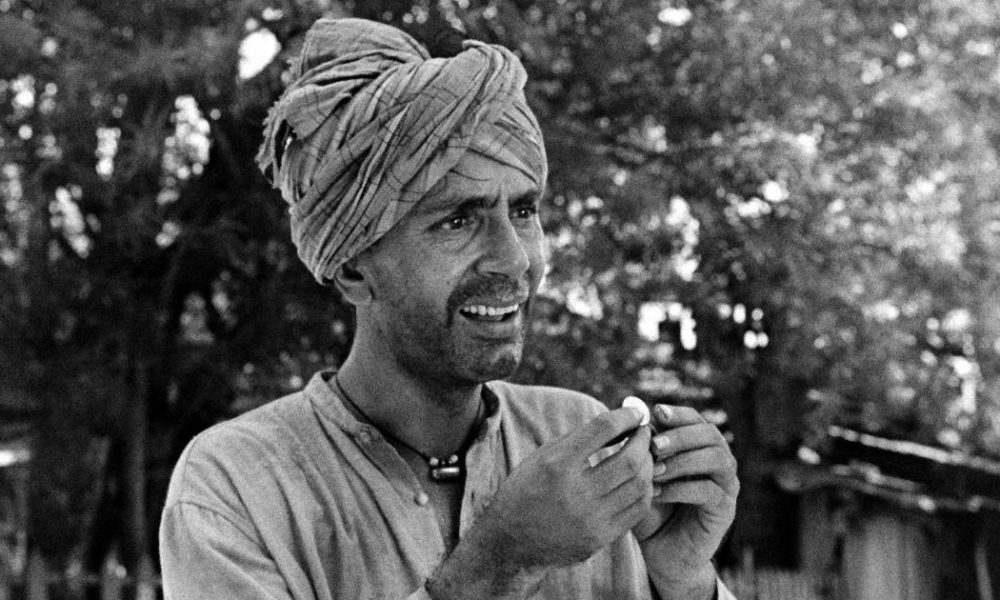
Bimal Roy’s iconic film ‘Do Bigha Zamin’, released in 1953, remains one of Indian cinema’s most poignant portrayals of the struggle against poverty. The film’s most memorable scene—a frenetic tanga race through the bustling streets of Kolkata—symbolizes not only the desperation of its characters but also the broader societal apathy towards the impoverished. In this gripping sequence, two lovers engage in a chase, each urging their drivers to push harder, oblivious to the physical toll it takes on Shambhu, the driver who is laboring to keep pace. His desperation mirrors the struggles of countless individuals trapped in the cycle of poverty, making the race a powerful visual metaphor.
Shyam Benegal, a revered filmmaker and a keen observer of Indian cinema, once remarked on the profound impact that ‘Do Bigha Zamin’ had on him. He noted how Bimal Roy had an exceptional ability to connect cinematic narratives with the harsh realities of life. This connection is evident throughout the film, which captures the essence of its characters’ plight with striking authenticity. Benegal’s reflections highlight Roy’s talent in placing scenes within recognizable contexts, allowing audiences to resonate with the struggles depicted on screen.
The recent restoration of ‘Do Bigha Zamin’ by the Criterion Collection/Janus Films and Film Heritage Foundation brought renewed attention to this classic. The film was showcased at the Venice Film Festival in September, an event that celebrated not only its artistic merit but also its continuing relevance in today’s socio-economic landscape. The cinematic revival underscores the significance of preserving such masterpieces that reflect the enduring issues of poverty and the human spirit’s resilience.
As Indian society grapples with the persistent challenges of poverty, ‘Do Bigha Zamin’ serves as a reminder of the struggles faced by those on the margins. It nudges viewers to reflect on the inequalities that still exist, resonating with a new generation who may find parallels in their own lives. The film’s legacy lies not just in its historical significance but also in its ability to ignite conversations around social justice and economic disparity.
Ultimately, Bimal Roy’s ‘Do Bigha Zamin’ remains a vital piece of Indian cinema that transcends time, reminding us of the power of storytelling in addressing crucial societal issues. As we revisit such narratives, we are encouraged to engage more thoughtfully with the realities around us, ensuring that the fight against poverty remains a priority for all.
Source: scroll.in







No Comment! Be the first one.