

Surge in Electric SUV Sales Raises Concerns Over Environmental Commitments
As governments and automobile manufacturers worldwide promote electric vehicles as a cornerstone of sustainable transportation, an emerging trend appears to undermine this narrative: a significant...

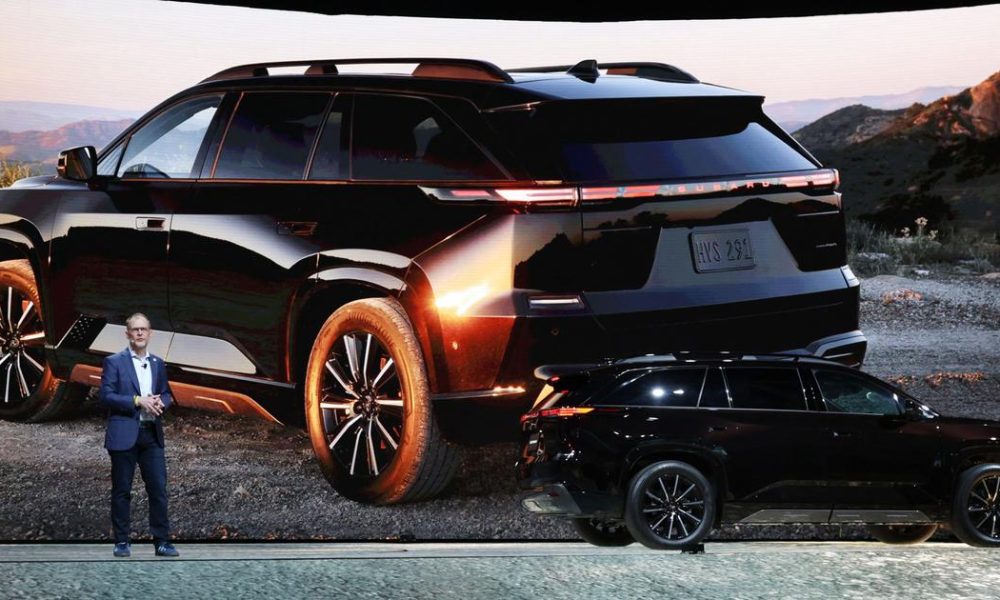
As governments and automobile manufacturers worldwide promote electric vehicles as a cornerstone of sustainable transportation, an emerging trend appears to undermine this narrative: a significant rise in the popularity of larger electric models, particularly SUVs. Recent findings from the International Energy Agency have highlighted that electric SUVs are increasingly dominating the electric vehicle (EV) market, raising questions about their environmental impact.
In China, for instance, electric SUVs represented over 60% of all electric vehicle sales in 2025. The situation is even more pronounced in Europe, where these larger models accounted for nearly 75% of electric car sales. The United States has taken the lead, with more than 85% of electric vehicle sales attributed to SUVs. This shift towards larger vehicles poses a dilemma for the green energy transition that many countries are striving for.
Despite electric SUVs producing fewer tailpipe emissions compared to their gasoline and diesel counterparts, their sheer size and weight present significant challenges. These vehicles require larger batteries, which in turn demand more raw materials and energy for production. Consequently, the increased resource consumption and energy requirements can offset some of the environmental benefits that electric vehicles are meant to provide. Moreover, larger cars contribute to road wear and tear, releasing fine particulate matter that has been linked to respiratory and cardiovascular diseases.
Furthermore, the prevalence of electric SUVs can exacerbate existing urban issues. These larger vehicles not only occupy more road space but also pose safety risks, particularly for pedestrians and children. A study examining traffic accidents in Great Britain found that children aged 0-18 faced elevated risks of being involved in accidents with larger vehicles. This situation raises urgent questions about urban planning and the need for policies that prioritize pedestrian safety while promoting sustainable transport.
As India accelerates its efforts to transition to electric vehicles, it must critically assess the implications of this growing trend toward electric SUVs. While these vehicles may seem like a step in the right direction for reducing emissions, their environmental footprint may not align with the government’s broader sustainability goals. Policymakers and consumers alike need to consider not just the type of vehicle they support but its overall impact on urban environments, public health, and climate change.
Source: scroll.in







No Comment! Be the first one.