

KC Bhattacharyya’s Vision: A Call for Cultural Liberation from British Dominance
The conversation surrounding Indian culture is often fraught with complexities, as evidenced by the ongoing debates that accompany it. One significant voice in this discourse is that of philosopher...

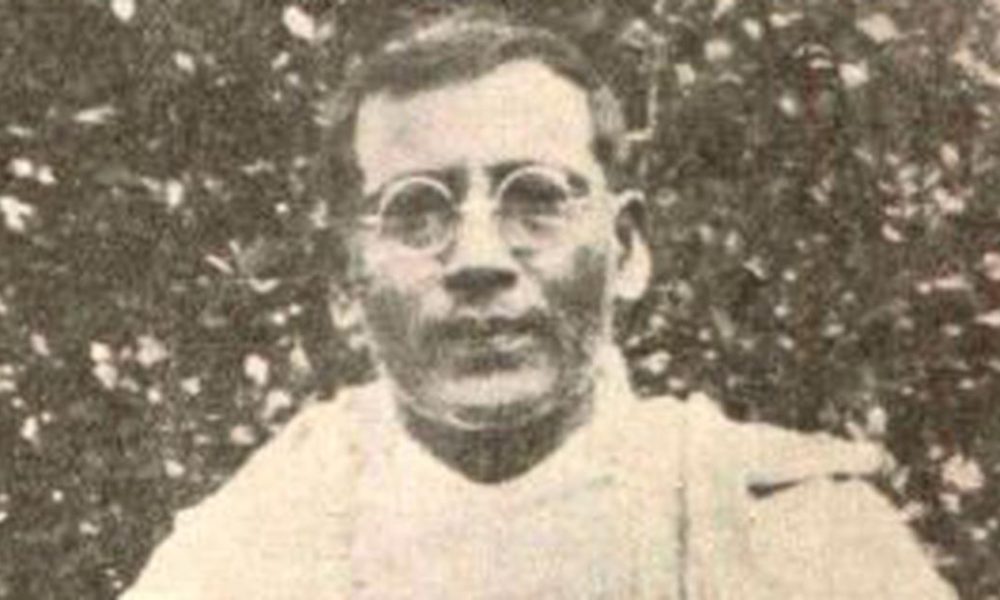
The conversation surrounding Indian culture is often fraught with complexities, as evidenced by the ongoing debates that accompany it. One significant voice in this discourse is that of philosopher Krishna Chandra Bhattacharyya, commonly known as KCB. His insights, explored in the 1929 lecture ‘Swaraj in Ideas,’ offer a profound critique of British colonial influence on Indian identity and culture.
KCB, who held the prestigious George V Chair at Calcutta University, delivered his impactful lecture at Hooghly Mohsin College in Chandernagore, a suburb near Calcutta. This lecture came at a pivotal time in Indian history, marked by the burgeoning nationalist movement led by figures like Mahatma Gandhi. The Indian National Congress had just passed a resolution advocating for Purna Swaraj, or complete independence, which underscored a collective yearning for self-determination and cultural reawakening.
In ‘Swaraj in Ideas,’ Bhattacharyya articulates a vision of freedom that transcends mere political independence. He argues for liberation from what he termed ‘cultural subjection,’ where British colonial rule not only occupied India physically but also sought to dominate the very essence of Indian culture and thought. This lecture, preserved and published posthumously, has since become a cornerstone in the study of Indian political philosophy, garnering attention for its depth and relevance.
Bhattacharyya’s reflections encourage a critical examination of what it means to be free in a cultural sense. He posits that true freedom must involve a reclamation of cultural identity and values that have been overshadowed by colonial narratives. His thoughts resonate with contemporary discussions about cultural sovereignty and the need for a revival of indigenous philosophies in the face of globalization and Western influence.
In essence, KCB’s work serves as a reminder of the ongoing struggle not just for independence from foreign rule but for the rejuvenation of India’s rich cultural heritage. As we continue to navigate the complexities of Indian identity in a rapidly changing world, Bhattacharyya’s call for cultural liberation remains profoundly relevant, urging future generations to critically engage with their past while forging a path toward an empowered future.
Source: scroll.in







No Comment! Be the first one.