

Kerala’s Struggle with Caste Despite Leftist Rule: An Examination
The complex interplay of caste and politics in Kerala, a state long dominated by leftist ideology, continues to raise questions about social reform. Despite being heralded for its progressive...

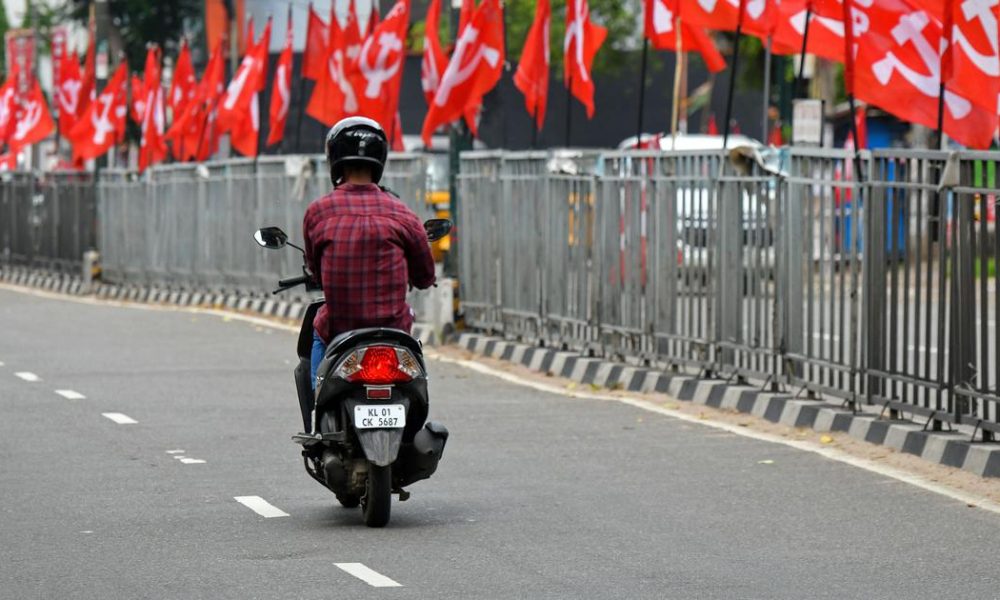
The complex interplay of caste and politics in Kerala, a state long dominated by leftist ideology, continues to raise questions about social reform. Despite being heralded for its progressive policies, the region has not eradicated the deep-seated caste system that influences social interactions and hierarchies. This paradox is reminiscent of the powerful arguments made by B.R. Ambedkar in his seminal 1936 work, ‘Annihilation of Caste.’ He challenged the Indian Left, questioning how a socialist state could ignore the societal prejudices that uphold caste distinctions.
Ambedkar’s insights are particularly relevant when examining Kerala’s political landscape. He asserted that caste is a fundamental obstacle that must be confronted in any attempt at social or economic reform. The Dalit leader famously posited that regardless of the progressive intentions of political reformers, they inevitably must address the reality of caste if genuine change is to be achieved. His assertion that ‘caste is the monster that crosses your path’ serves as a poignant reminder that political ideologies cannot function in a vacuum separate from the prevailing social order.
When Kerala elected the world’s first democratically chosen communist government in 1957, it seemed poised to challenge deeply embedded societal norms. Even in contemporary discussions, Kerala is often synonymous with leftist ideology, to the extent that one local remarked in 2010, “Whenever you think of Kerala, you think of red, even if it is light red.” However, this political landscape has not translated into the total annihilation of caste, with significant implications for social equity.
The state has made remarkable strides in literacy and health care, earning accolades as one of India’s most progressive regions. Yet, despite these advancements, the fabric of caste continues to weave its influence through various social interactions. Many communities still adhere to caste-based customs and practices, indicating that while political reform has progressed, social reform lags significantly behind.
As scholars and activists continue to explore the dynamics of caste in Kerala, it becomes increasingly clear that the challenge is not simply a matter of political ideology but requires a comprehensive reevaluation of cultural practices and social attitudes. The lingering presence of caste in a state celebrated for its leftist governance prompts an essential dialogue about the nature of social justice and the means necessary to achieve true equality in Indian society.
Source: scroll.in







No Comment! Be the first one.