

Norwegian Journalist Challenges Modi on Press Freedom During Oslo Visit
During a recent encounter in Oslo, Norwegian journalist Helle Lyng Svendsen made headlines by directly addressing Indian Prime Minister Narendra Modi on a crucial issue: press freedom. Svendsen, who...

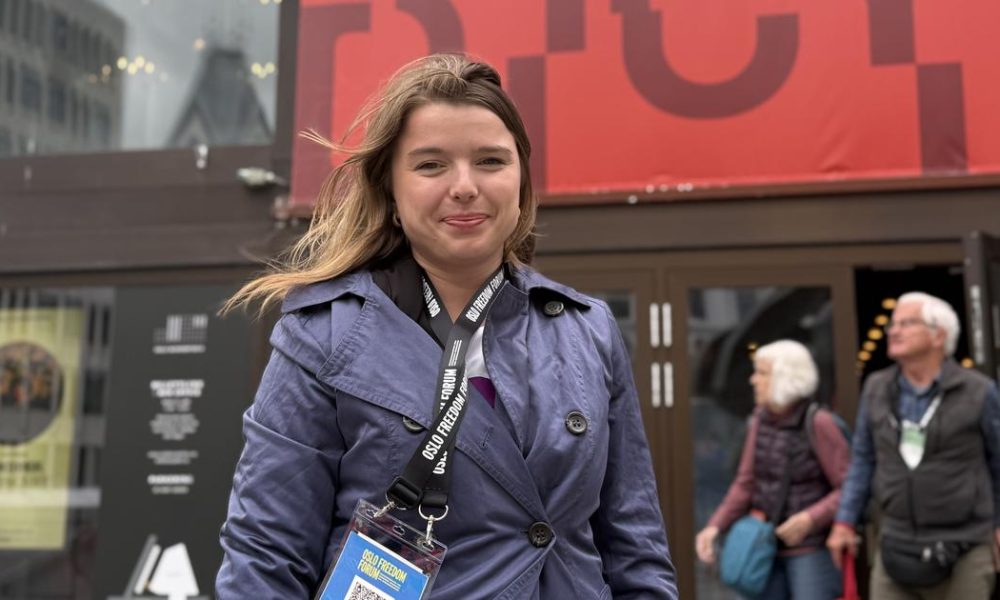
During a recent encounter in Oslo, Norwegian journalist Helle Lyng Svendsen made headlines by directly addressing Indian Prime Minister Narendra Modi on a crucial issue: press freedom. Svendsen, who works for Dagsavisen, a prominent newspaper in Norway, was in the midst of covering local infrastructure developments when she seized an opportunity to engage with one of the world’s most influential leaders.
At just 28 years old, Svendsen has built an impressive portfolio, including stints in the United States where she has directly questioned political figures, including former President Donald Trump. Her experience in navigating high-pressure journalistic environments served her well on May 18, when she learned of Modi’s visit to Norway. Recognizing the rarity of such an occasion, she proposed to her editor the idea of asking the Prime Minister a question—a bold move considering Modi’s history of avoiding press interactions.
“There’s likely never going to be a perfect moment,” Svendsen noted with a wry smile as she prepared for the encounter. “But I was determined to find the most suitable one.” As Modi concluded his speech and exchanged pleasantries with his Norwegian counterpart, Svendsen took her chance. She called out, “Prime Minister Modi, why don’t you take some questions from the freest press in the world?” This direct challenge, highlighting the pressing issue of media freedom, resonated beyond the immediate context.
The video capturing this moment was shared widely, reflecting not only Svendsen’s courage but also the ongoing global discourse surrounding press freedoms in democratic nations. Modi’s response—or lack thereof—was a poignant reminder of the complexities faced by journalists in holding powerful figures accountable. In many parts of the world, including India, media personnel often grapple with restrictions that challenge the core principles of journalism.
This encounter underscores the importance of media in democracy and prompts a broader conversation about the role of journalists in ensuring transparency and accountability from elected officials. As the world becomes increasingly interconnected, exchanges like these serve as crucial reminders that the quest for truth and accountability remains paramount, regardless of national boundaries.
Source: scroll.in





No Comment! Be the first one.