

Unpacking India’s New Political Landscape: The Modi Era and Its Implications
In 2017, Indian Prime Minister Narendra Modi heralded the vision of a “New India” during his Independence Day speech and again on New Year’s Eve. Following his re-election in 2019, this...

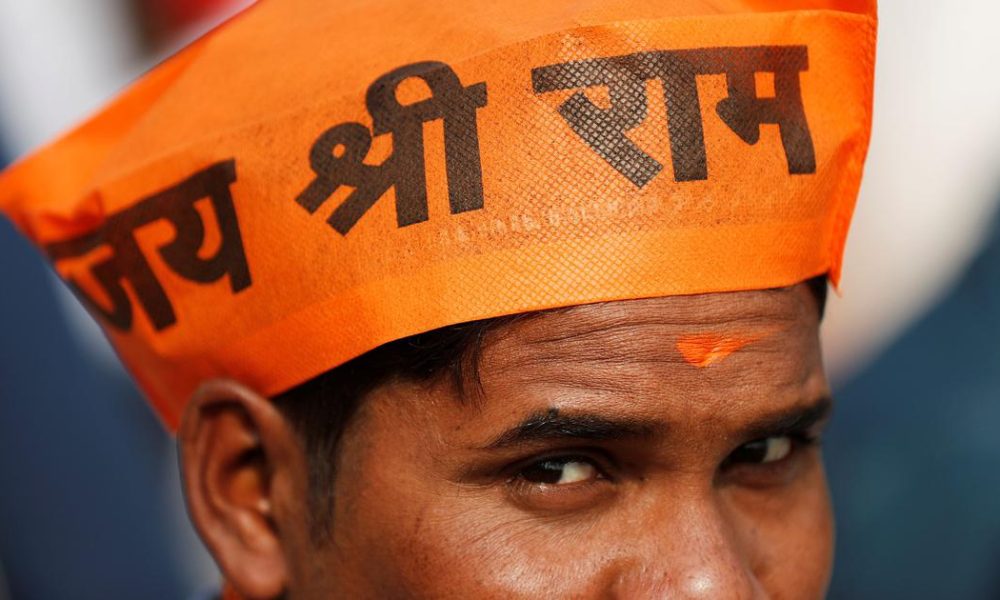
In 2017, Indian Prime Minister Narendra Modi heralded the vision of a “New India” during his Independence Day speech and again on New Year’s Eve. Following his re-election in 2019, this vision began to manifest more aggressively, indicating a significant shift in the nation’s political paradigm. Observers have noted a clear transition in Indian politics, one that seems to dismantle the foundations of the old order established in 1950.
The Modi administration has often focused its rhetoric against historical figures such as Jawaharlal Nehru and the Congress Party, framing these critiques as a means to usher in a new era. However, many critics argue that this discourse serves as a thin veil for a more profound assault on the constitutional republic that India has embodied since its independence. By promoting concepts like “New India,” “Viksit Bharat” (Developed India), and Hindu nationalism, the current regime appears to be consolidating its power and reshaping the political landscape.
While some might believe that the regime is still in a formative stage, pointing to various weaknesses within the current power structures as evidence that a true hegemony has yet to establish itself, a deeper analysis reveals a different story. The regime’s tendencies toward repression, its impulsive nature, and its overall irritability are not indicators of instability, but rather intrinsic traits of its governance style. In fact, these characteristics underscore a regime that is not just attempting to assert control, but is actively redefining the parameters of power and discourse in India.
The establishment of this new regime has sparked a debate among political analysts and scholars regarding the long-term effects on India’s democratic framework. The implications of promoting a singular narrative grounded in nationalism and identity politics raise concerns about the inclusivity of the political discourse and the future of dissent within the nation. As the regime continues to solidify its grip on power, the traditional understanding of India’s pluralistic society is being tested.
Ultimately, what emerges from this landscape is a complex tapestry of political maneuvering, identity assertion, and the reimagining of India’s democratic ethos. As the notion of a “New India” takes shape, it prompts a critical examination of the values that underpin the nation’s identity and the extent to which they can accommodate a diverse populace. This evolving scenario in Indian politics is one that warrants close attention as it may redefine the country for generations to come.
Source: scroll.in







No Comment! Be the first one.