

Marathi Comedy ‘Tumbadchi Manjula’ Struggles to Capture the Charm of Original ‘Su From So’
The Marathi film industry has introduced a new comedy titled Tumbadchi Manjula, which serves as a remake of the popular Kannada film Su From So. Set against the picturesque backdrop of a Konkan...

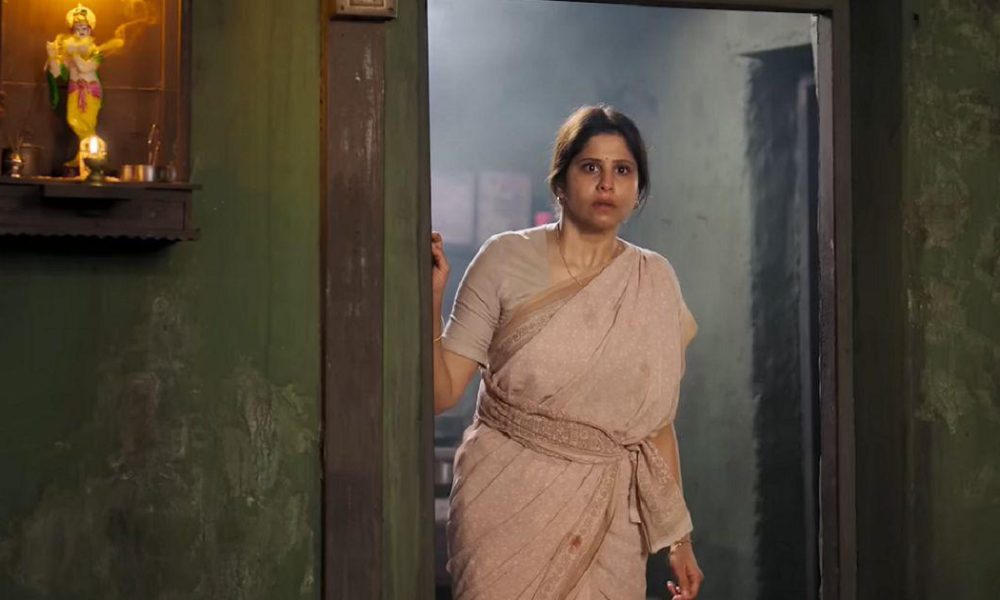
The Marathi film industry has introduced a new comedy titled Tumbadchi Manjula, which serves as a remake of the popular Kannada film Su From So. Set against the picturesque backdrop of a Konkan village, the film follows the protagonist Keshav, portrayed by Om Bhutkar, who resorts to fabricating a ghost story to navigate a challenging predicament. This narrative device spirals into a web of lies as the villagers, in particular, become convinced that Keshav is possessed by the spirit of Manjula, an elderly woman from a nearby village.
The ensuing chaos is palpable, with Keshav’s family and neighbors retreating in fear at the mere sight of him. In a classic case of Chinese whispers, rumors spread like wildfire, exaggerating the initial tale. Even Ravi Anna, played by Jitendra Joshi, who is the village’s go-to problem-solver, finds himself intimidated by Keshav’s supposed supernatural affliction. The situation escalates to the point where a local godman, Karunakaran (Makarand Anaspure), is summoned to conduct an exorcism, and Manjula’s daughter, Shobha (Sai Tamhankar), is invited to authenticate her mother’s death.
Directed by Vividh Korgaonkar, Tumbadchi Manjula attempts to encapsulate the absurdist humor and critical commentary on superstition that characterized the original Kannada film. However, while the film showcases the efforts of its cast, it struggles to replicate the unique blend of chaotic charm and seamless hilarity that endeared Su From So to its audience. The screenplay, written by Rushikesh Turai with dialogues co-written with Yogesh Shirsat, seeks to address the pressing issue of violence against women, maintaining a theme present in its predecessor. Yet, the execution falls short of delivering the same impactful satire.
As the film unfolds, it attempts to delve deeper into societal beliefs and the consequences of blind faith, which is a recurring theme in Indian cinema. Despite its shortcomings, Tumbadchi Manjula offers a look into the ways in which folklore and superstition can influence community dynamics in rural India. While it may not reach the heights of the original, it still provides a lens through which viewers can explore cultural narratives that are all too familiar.
In conclusion, Tumbadchi Manjula serves as a reminder of the rich tradition of storytelling in Indian cinema, even as it navigates the complex interplay of humor and social commentary. Fans of Marathi cinema may find value in its earnest attempts, even if the film doesn’t fully capture the spirit of its source material.
Source: scroll.in







No Comment! Be the first one.