

Supreme Court Upholds High Court’s Ruling on Lighting Lamp at Thiruparankundram Hill
The Supreme Court of India has upheld a Madras High Court ruling that dismissed a petition from the Hindu Dharma Parishad, which sought permission to light a lamp atop Thiruparankundram hill. The...

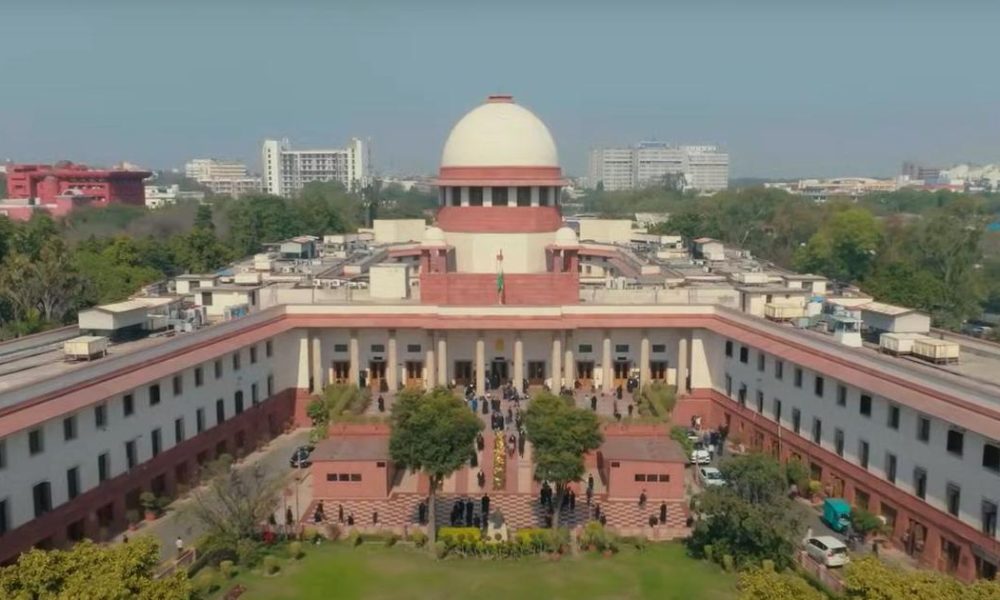
The Supreme Court of India has upheld a Madras High Court ruling that dismissed a petition from the Hindu Dharma Parishad, which sought permission to light a lamp atop Thiruparankundram hill. The apex court declined to intervene with the High Court’s decision that was made earlier this year, which criticized the petition as potentially politically motivated and imposed a financial penalty.
In its ruling on Tuesday, the Supreme Court reduced the fine levied by the Madras High Court from Rs 50,000 to Rs 5,000, stating that the original penalty was “on the excessive side.” This decision highlights the court’s discretion in cases involving public sentiment and religious practices.
The controversy traces its roots back to a judgment made on December 1 by High Court judge GR Swaminathan. He described a stone pillar located on Thiruparankundram hill, near Madurai, as a ‘deepathoon,’ a structure intended for holding lamps. The High Court’s ruling encouraged the restoration of the tradition of lighting a lamp at this site, a practice that some devotees had sought to revive.
While the Hindu Dharma Parishad framed its request around religious custom, the High Court expressed concerns that the action could lead to political ramifications. The court was mindful of the sensitivity of the location, which is not only home to the Arulmigu Subramania Swamy temple but also the Sikkandar Badhusha dargah, a Muslim shrine. The judge asserted that the proposed lighting of the lamp would not infringe upon the religious rights of the dargah, emphasizing the need for harmony among diverse faiths.
In response to the ruling, various stakeholders, including the Tamil Nadu government and representatives from both the temple and dargah management, raised alarms regarding potential law and order issues that could arise from the implementation of such a practice. Their concerns reflect the delicate balance that must be maintained in a region steeped in rich religious traditions and communal sentiments.
Source: scroll.in







No Comment! Be the first one.