

The Challenge of Accessibility: Generic Obesity Drugs and Their Impact on Vulnerable Populations
Over the past 25 years, the evolution of health technologies has largely followed a familiar trajectory, particularly concerning chronic disease treatments. This pattern reveals a stark divide:...

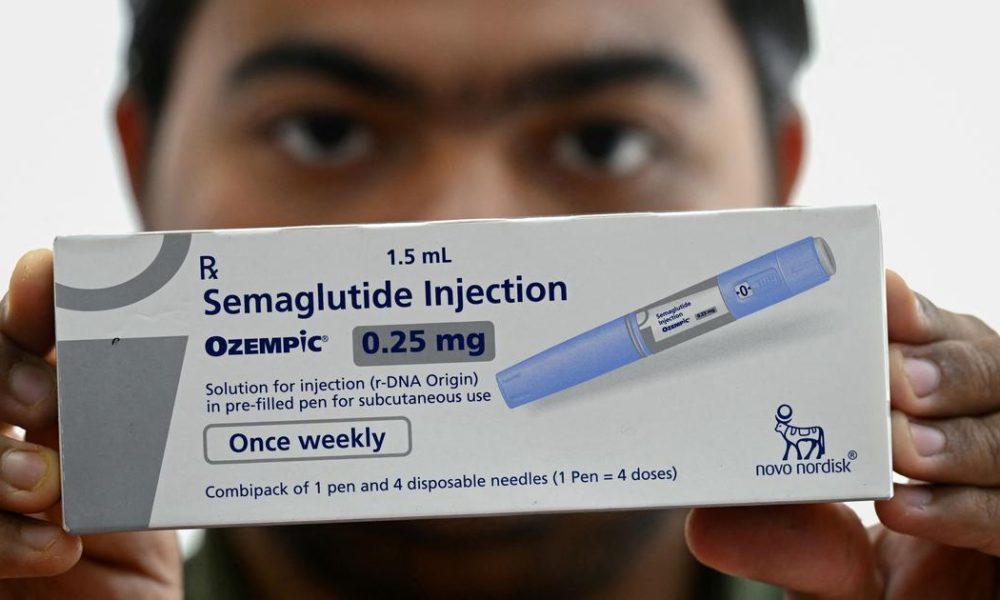
Over the past 25 years, the evolution of health technologies has largely followed a familiar trajectory, particularly concerning chronic disease treatments. This pattern reveals a stark divide: affluent populations often benefit from cutting-edge medical solutions, while lower-income groups grapple with underfunded healthcare systems that offer limited options. The emergence of a new class of injectable drugs—popularly known by their brand names such as Ozempic, Wegovy, and Mounjaro, or collectively referred to as GLP-1 medications—illustrates this ongoing disparity.
These innovative drugs work by mimicking a hormone that regulates both appetite and blood sugar levels, leading to notable weight loss and improvements in metabolic health. They have revolutionized obesity treatment in wealthier nations, rapidly gaining traction and acceptance. However, the two-tiered healthcare system appears set to persist, posing significant challenges for those in need.
Recently, the landscape of intellectual property rights surrounding these medications has begun to shift, offering a glimmer of hope for patients in developing countries like India. The patent for semaglutide, the active component in Ozempic and Wegovy, has lapsed in several nations including India, Brazil, China, Canada, and Turkey. This development potentially unlocks the door for local manufacturers to create their own generic versions of these drugs without incurring licensing fees. Approximately 40% of the global population may soon have access to these alternatives, which could significantly alter the treatment landscape for obesity.
Experts estimate that the production costs for generic injectable forms of GLP-1 medications could be substantially lower than their branded counterparts, making them more accessible to those in need. However, even with the potential availability of generics, significant barriers remain in place. The challenge lies not just in production but in the distribution and affordability of these medications for low-income populations.
As India grapples with rising obesity rates and related health issues, the introduction of generic versions could play a crucial role in addressing this growing crisis. Yet, it remains to be seen whether these medications will truly reach those who stand to benefit the most. A comprehensive approach encompassing improved healthcare infrastructure, education about obesity management, and better access to medical care is essential to ensure that advancements in medication translate into tangible health benefits for all.
Source: scroll.in







No Comment! Be the first one.