

Pune’s Street Vendors Face Heat Stress Amidst Inadequate Government Measures
As sweltering heat becomes a relentless reality during Indian summers, street vendors in Pune have taken to calling themselves ‘Khatron ke khiladi,’ a term aptly translating to...

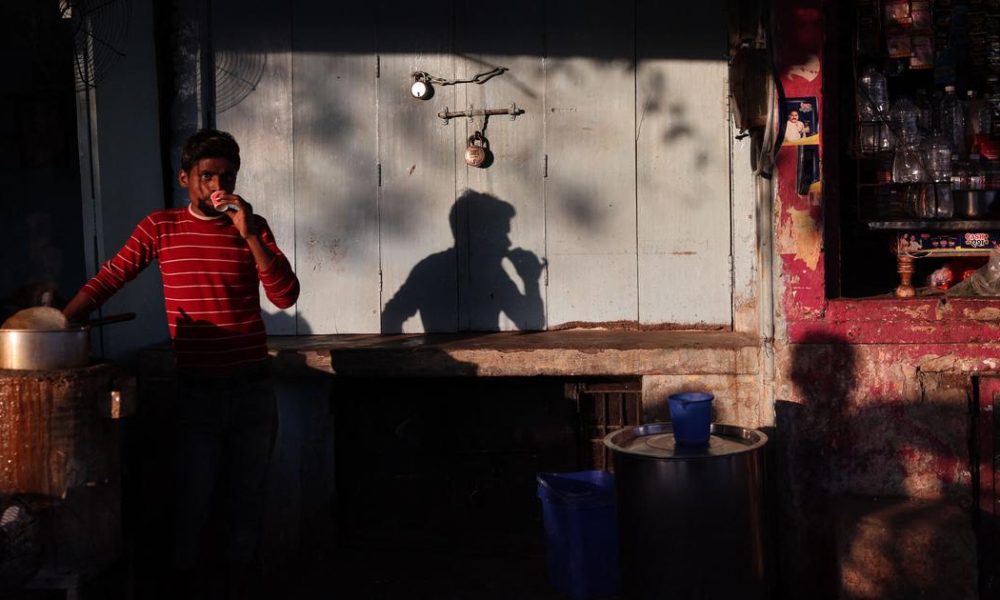
As sweltering heat becomes a relentless reality during Indian summers, street vendors in Pune have taken to calling themselves ‘Khatron ke khiladi,’ a term aptly translating to ‘players who flirt with danger.’ This self-description reflects not only their indomitable spirit but also their stark vulnerability as they navigate oppressive temperatures and a lack of support from official channels. Another term they use, ‘roadvarche,’ meaning ‘those on the road’ in Marathi, captures their struggles as informal workers who find themselves without necessary safety nets in the wake of climate change.
A recent report titled Rising Temperatures Silent Suffering: Lived Experiences of Heat Stress and Its Impact on Health among Street Vendors, published by Pune’s Prayas (Health Group), highlights the dire circumstances faced by these vendors. Conducted during the scorching summer of 2025, the study surveyed 385 street vendors, revealing that while government heat action plans acknowledge their existence, they fall woefully short of providing effective measures to protect them from extreme heat.
The repercussions of climate change have intensified the challenges these vendors face. The report underscores that they often lack access to basic amenities such as drinking water, toilets, and shade. Moreover, public healthcare resources are limited, leaving them exposed to health risks associated with prolonged heat exposure. This adds to the already precarious situation where they constantly fear fines and eviction, amplifying their stress and uncertainty.
Despite the mention of street vendors in government guidelines for heat action plans, these provisions are largely ineffective in addressing their specific needs. The study emphasizes that without tailored interventions, such as increased access to cooling areas and proper hydration facilities, the health and wellbeing of these workers will continue to be compromised. The findings are a stark reminder that the informal sector remains largely unsupported in the face of climate adversity.
As India grapples with the growing impacts of climate change, it becomes imperative for policymakers to reassess their strategies and include vulnerable groups in the framework of protective measures. The plight of street vendors in Pune is not an isolated incident; it reflects a broader issue that requires immediate attention to ensure that those who contribute significantly to the economy are not left behind in the heat of adversity.
Source: scroll.in







No Comment! Be the first one.