

Debate Rages Over Leadership Vacuum in Congress as Guha Critiques Gandhi Family Influence
In a thought-provoking article, noted historian and author Ramachandra Guha highlights a pressing concern within the Indian political landscape: the perceived lack of competent leadership in the...

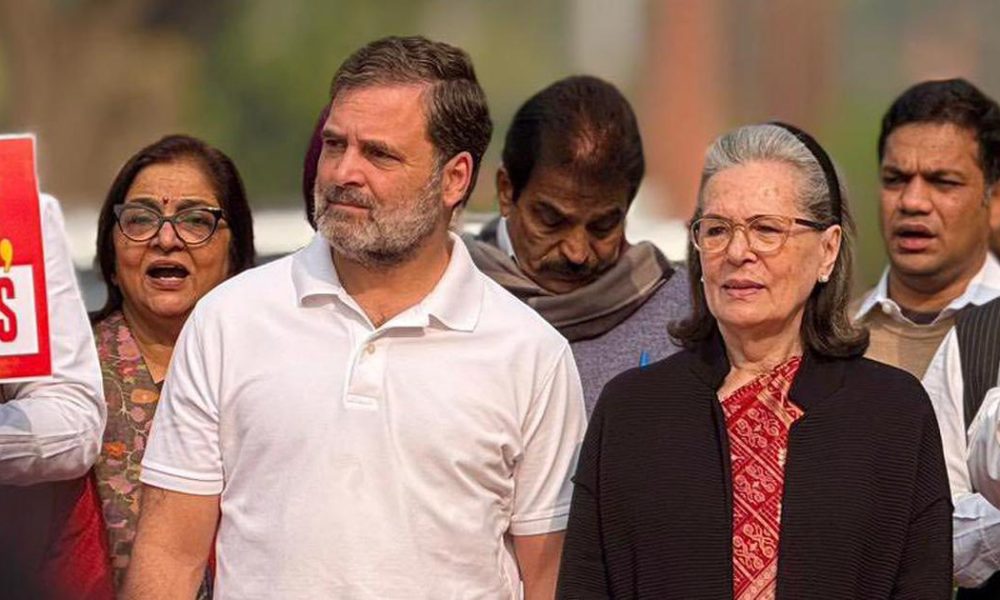
In a thought-provoking article, noted historian and author Ramachandra Guha highlights a pressing concern within the Indian political landscape: the perceived lack of competent leadership in the Congress party. Guha’s remarks come at a time when the party’s reliance on the Gandhi family seems increasingly detrimental to its overall effectiveness. As the political climate grows ever more complex, questions arise about the Congress’s viability as a governing force in India.
Comments from readers reflect a mix of disappointment and frustration. Gopinath Dombla, one of the commentators, expresses a sentiment shared by many: even if citizens are disillusioned with Prime Minister Narendra Modi, they struggle to identify an alternative capable of leading the country. Dombla argues that the existence of the Congress party has become synonymous with the Gandhi family, warning that a shift away from this leadership could lead to fragmentation, potentially marking the end of the party itself. The underlying assertion is that the Congress’s historical baggage, particularly concerning corruption and a lack of accountability in past coalition governments, casts a shadow over its future.
Suchitra Ramani, another commentator and long-time Congress supporter, resonates with Guha’s analysis, lamenting the absence of viable options within the party. This reflection underscores a growing concern among traditional Congress adherents who feel disenchanted by the current trajectory of their party. The challenges they face are compounded by the reality that, without transformative leadership, the party risks alienating its core supporters.
However, not all readers echo the sentiment of despair regarding the Congress. Shankar PS raises a critical counterpoint, suggesting that the criticisms of Modi’s governance reflect a deeper bias against the Prime Minister. He points out the broader context of global economic uncertainty and challenges the idea that Modi alone is responsible for mismanagement. His comments invite a more nuanced discussion about accountability among political parties and the historical patterns of governance in India.
As the political discourse continues to evolve, Guha’s critiques serve as a catalyst for dialogue on the leadership dynamics within the Congress party and the broader implications for Indian democracy. The commentary surrounding these issues highlights a critical juncture for the party—a moment that could redefine its future in Indian politics. As citizens grapple with their choices, the call for effective leadership remains paramount, raising crucial questions about the potential paths forward for both Congress and the nation.
Source: scroll.in







No Comment! Be the first one.