

Addressing India’s Dowry Crisis: A Reflection on the Marriage Institution
In recent months, the issue of dowry deaths in India has resurfaced with alarming frequency, echoing a troubling pattern observed since the early 1980s. The tragic case of 33-year-old Twisha Sharma,...

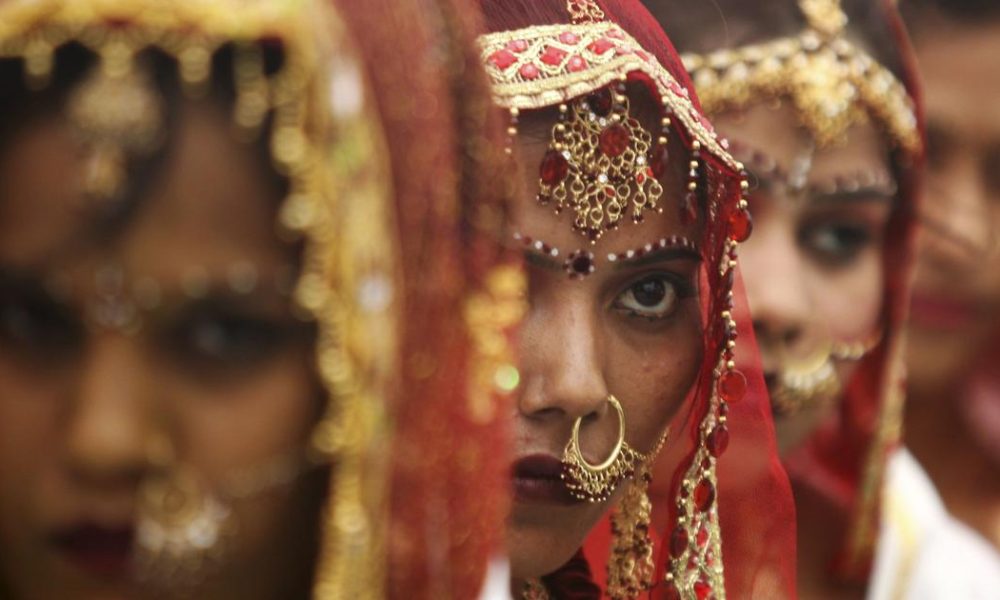
In recent months, the issue of dowry deaths in India has resurfaced with alarming frequency, echoing a troubling pattern observed since the early 1980s. The tragic case of 33-year-old Twisha Sharma, discovered dead in her Bhopal home just six months after her marriage, has reignited discussions about the societal pressures surrounding dowry and domestic abuse. While her husband, Samarth Singh, and mother-in-law, Giribala Singh, a retired judge, maintain that her death was a suicide, Twisha’s parents assert that she was murdered due to ongoing demands for dowry and domestic violence.
The backdrop of these dowry-related tragedies is a long-standing cultural issue in India, where the practice has been linked to violence against women, particularly newly-weds. In the late 1970s and early 1980s, numerous cases of brides being set on fire over dowry disputes sparked the women’s movement in India, drawing attention to the brutal realities faced by women within the institution of marriage. Despite the implementation of stringent laws intended to curb dowry-related violence, such incidents continue to plague Indian society.
A key factor in this ongoing crisis is the deeply entrenched notion of marriage as an obligatory institution in Indian culture. Feminist scholar Mary E. John refers to this phenomenon as “compulsory marriage,” a societal construct that positions marriage as the only pathway for women to achieve social recognition, security, and the ability to bear children. This belief system not only reinforces gender inequality but also perpetuates a cycle of dependency and vulnerability for women.
Many women feel pressured to conform to societal expectations surrounding marriage, often leading to compromises that can escalate into violence. The notion that a woman’s worth is tied to her marital status can result in dire consequences, as families may resort to extreme measures to secure financial stability through dowry. The tragic story of Twisha Sharma serves as a stark reminder of the urgent need to reevaluate the cultural narratives surrounding marriage and dowry in India.
As the nation grapples with these issues, it is essential to foster open conversations about the role of marriage and the societal expectations placed on women. Addressing the dowry crisis requires not just stringent legal measures but also a cultural shift towards valuing women’s autonomy and rights. Only by challenging and changing the discourse surrounding marriage can India truly move forward in combating the scourge of dowry-related violence.
Source: scroll.in







No Comment! Be the first one.