

Exploring the Literary Bonds Between Latin America and India: A Journey Through Time
In 1953, a significant cultural moment unfolded when Brazilian poet Cecília Meireles arrived in New Delhi, invited personally by Prime Minister Jawaharlal Nehru. This visit was not merely a...

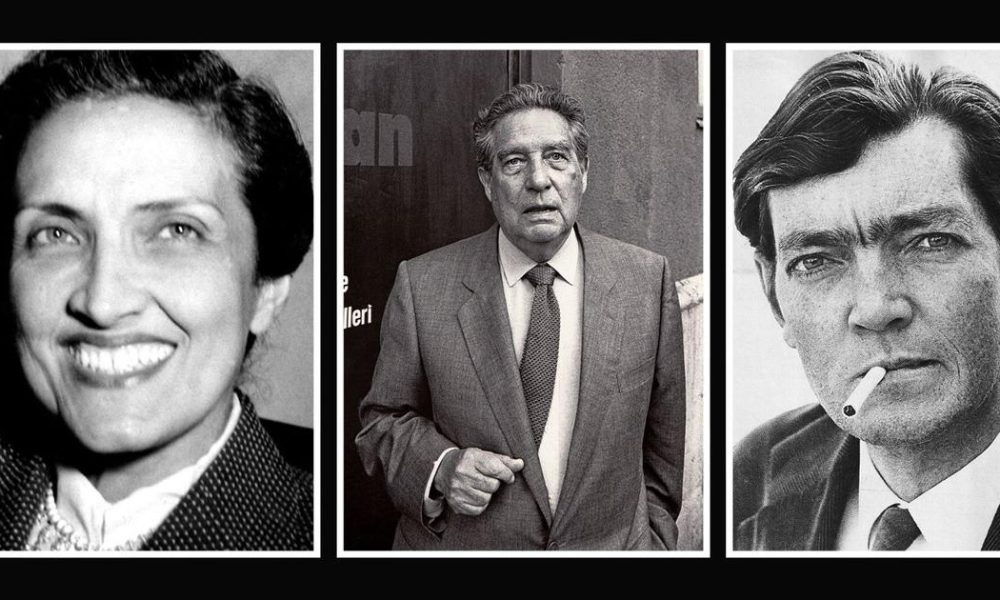
In 1953, a significant cultural moment unfolded when Brazilian poet Cecília Meireles arrived in New Delhi, invited personally by Prime Minister Jawaharlal Nehru. This visit was not merely a diplomatic gesture; it marked the intersection of literature and philosophy amidst the backdrop of the Cold War. Meireles was the sole representative from Latin America at a gathering of intellectuals who sought to explore whether Gandhi’s teachings could provide a thoughtful alternative to the prevailing nuclear anxieties of that era.
On January 1, upon her arrival, Meireles conveyed a profound sentiment back home, expressing that Indian culture felt strikingly familiar to her, almost as if she had been a part of it all her life. This deep-seated connection left an indelible mark on her psyche. Even years later, she would reflect on this experience, describing India as a place where she felt most aligned with her inner self, highlighting the profound impact the country had on her creative consciousness.
The roots of her fascination with India can be traced back to her childhood. In a 1964 interview, she reminisced about her grandmother’s influence, who often spoke in the poetic cadence reminiscent of the 16th-century Portuguese poet, Luís de Camões. It was her grandmother who first ignited Meireles’s curiosity about the Orient, frequently urging her to embark on a ‘journey to India.’ This phrase, imbued with a sense of adventure and urgency, symbolizes the deep cultural linkages and shared literary heritage that exist between India and Latin America.
Meireles’s visit is emblematic of a rich tapestry of literary exchanges that have historically connected Latin American writers with Indian culture. The dialogues initiated during her time in India echo through the works of other influential writers, such as Octavio Paz and Julio Cortázar, who also found inspiration in Indian philosophy and aesthetics. These literary encounters have not only enriched the authors’ works but have also fostered a greater understanding between two diverse regions of the world, celebrating their shared human experiences.
Today, as the world continues to grapple with complex global issues, revisiting these literary connections becomes increasingly relevant. The dialogue between different cultures encourages us to reflect on how art and literature can serve as unifying forces, helping to bridge divides and promote peace in challenging times. The legacy of Cecília Meireles and her contemporaries is a testament to the power of literature to transcend geographical boundaries and foster a deeper appreciation of our collective humanity.
Source: scroll.in







No Comment! Be the first one.