

Reassessing India’s Economic Growth: The Employment Challenge in Manufacturing
In recent years, India’s economic landscape has undergone significant changes, particularly in the realm of manufacturing employment. After maintaining a stable contribution of around 17% to...

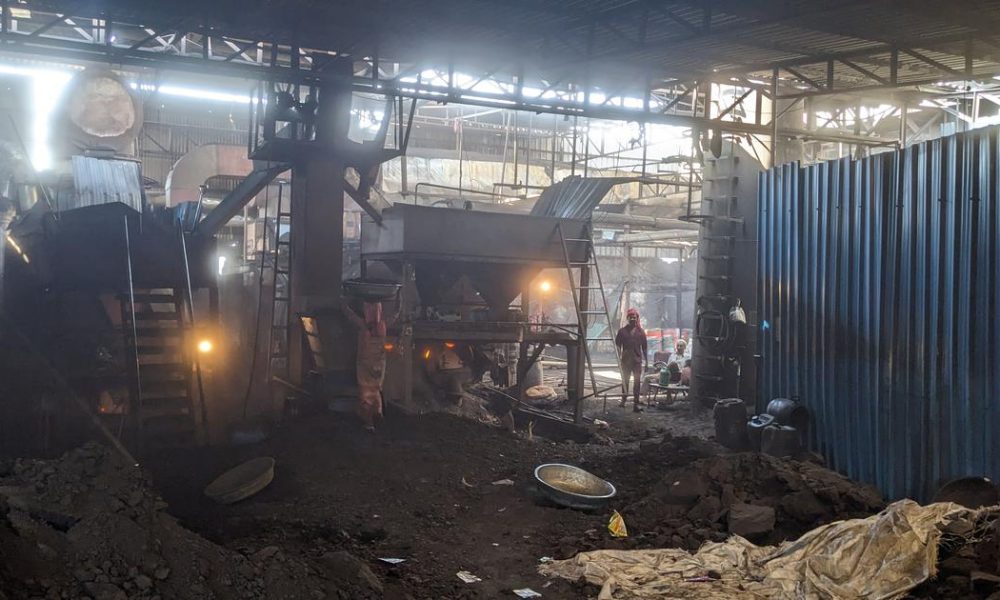
In recent years, India’s economic landscape has undergone significant changes, particularly in the realm of manufacturing employment. After maintaining a stable contribution of around 17% to the country’s GDP since the liberalization reforms commenced in 1991, the manufacturing sector experienced a notable downturn post-2015. This decline raises critical questions about the government’s role and the broader implications for employment in key industries.
The most impacted sectors were those traditionally seen as labor-intensive, including textiles, food processing, wood products, and leather manufacturing. These sectors faced considerable hurdles, struggling to regain their footing even after the disruptions caused by the Covid-19 pandemic. While the apparel and food processing segments showed signs of recovery, the overall picture was one of stagnation.
From 2016 onward, the contribution of manufacturing to the Gross Value Added (GVA) consistently decreased, with recovery efforts not materializing until 2022. By 2024, this sector had failed to return to its pre-demonetization performance, which has raised concerns among economists and policymakers alike. While the absolute number of workers employed in manufacturing eventually matched levels seen in 2012 by 2023, the growth has been uneven across various industries.
Notably, the apparel sector emerged as a bright spot, propelled by a shift in consumer preferences towards casual and comfortable clothing. Additionally, government initiatives, such as the performance-linked incentive schemes, played a crucial role in reviving this sector. The integration of digital marketing and e-commerce platforms further supported its resurgence, allowing businesses to reach wider audiences. However, many other labor-intensive sectors continued to face challenges, failing to share in this growth.
Furthermore, while some segments like furniture, jewelry, musical instruments, and sports goods did witness modest job creation after 2020, these gains were insufficient to offset the overall decline in manufacturing employment. As of now, total employment within the manufacturing sector has reached approximately 64.8 million, highlighting a gradual increase but still leaving many questions unanswered about the future trajectory of India’s industrial workforce.
Source: scroll.in







No Comment! Be the first one.