

Challenges of Citizenship for Ethnic Bengalis in Pakistan: A Struggle for Recognition
In Pakistan, the institution of marriage holds immense cultural significance, serving as both a personal milestone and a societal expectation. Families view marital unions as essential not only for...

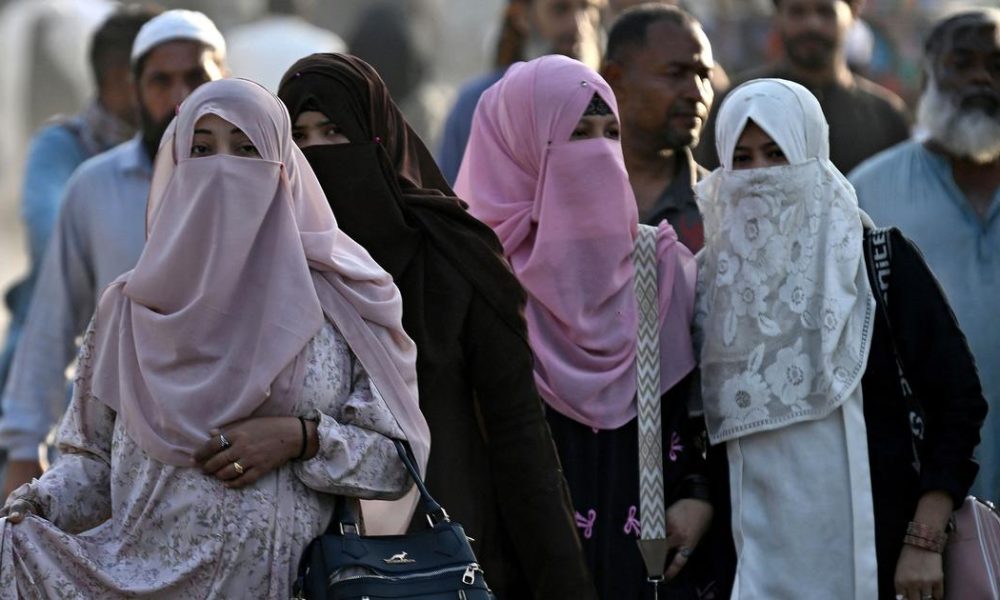
In Pakistan, the institution of marriage holds immense cultural significance, serving as both a personal milestone and a societal expectation. Families view marital unions as essential not only for preserving lineage but also for fortifying kinship ties and ensuring continuity through future generations. However, this fundamental aspect of life becomes complicated for individuals lacking the necessary documentation to formalize their marriages, register their children, or access vital services like education.
This issue is particularly pronounced among the Pakistani Bengali community in Karachi, which comprises approximately three million individuals now in its fourth generation in the country. These ethnic Bengalis face considerable difficulties in obtaining and maintaining citizenship, which hampers their ability to fully engage in society.
The roots of identity documentation in Pakistan can be traced back to 1973, when the government introduced paper-based identity cards. This move was largely fueled by the need to catalog the nation’s demographic composition, especially in light of the influx of ethnic Bengalis following the independence of Bangladesh. As part of a broader administrative evolution, Pakistan transitioned in 2000 to biometric Computerized National Identity Cards (CNICs). This shift aimed to enhance record-keeping through the establishment of the National Database and Registration Authority (NADRA) for citizens and the National Alien Registration Authority for foreigners.
Despite these developments, discrimination and bureaucratic challenges have continued to plague the ethnic Bengali community, leading to many being incorrectly classified as foreigners by local officials. This misclassification has significant implications, preventing individuals from accessing basic rights and services that are essential for their daily lives.
The struggles faced by Pakistani Bengalis illustrate a broader narrative of marginalization and exclusion that resonates with many communities striving for recognition and rights within their own countries. As the discourse around citizenship and identity evolves, it is crucial to address the historical and systemic barriers that continue to affect this vibrant community.
Source: scroll.in







No Comment! Be the first one.