

Modi’s Call for Austerity: A Look at India’s Economic Challenges
As India grapples with an economic crisis exacerbated by rising oil prices, Prime Minister Narendra Modi’s recent appeal for austerity has stirred considerable debate. In a bid to rally the...

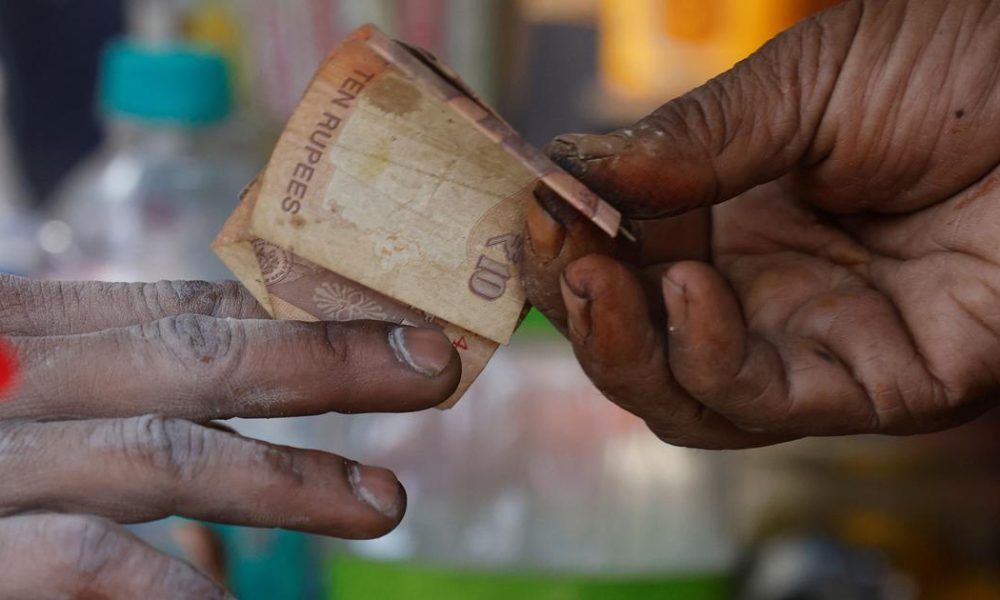
As India grapples with an economic crisis exacerbated by rising oil prices, Prime Minister Narendra Modi’s recent appeal for austerity has stirred considerable debate. In a bid to rally the nation, Modi has urged citizens to adopt a range of measures including reducing fuel consumption, limiting foreign travel, working from home, and even delaying gold purchases. Drawing parallels to wartime sacrifices, he has framed the economic struggle as an act of patriotism, likening it to the challenges faced during significant historical conflicts.
The urgency of this appeal comes against the backdrop of a stark reality—India’s heavy dependency on oil imports, which accounts for nearly 85%-88% of its crude oil requirements. Much of this oil transits through the crucial Strait of Hormuz. The consequences of fluctuating crude prices are significant; every $10 increase in oil prices adds approximately $13-$15 billion to India’s import bill each year, leading to widened fiscal and current account deficits, a weakened rupee, and rising inflation across essential sectors such as transportation, agriculture, and logistics.
However, it is essential to recognize that the economic troubles Modi is asking Indians to endure are not solely a result of the ongoing conflict in Iran. This geopolitical event has merely highlighted existing vulnerabilities within India’s economy. A more robust economic framework might have allowed the nation to weather such external shocks more effectively. Instead, India is facing an array of challenges stemming from previous economic policies, including the controversial demonetization, the tumultuous rollout of the Goods and Services Tax (GST), stagnant manufacturing growth, high unemployment rates, declining private investments, and increasing inequality. These factors have collectively contributed to a climate of economic instability.
Interestingly, the most pointed criticism of Modi’s austerity measures did not come from opposition parties, but rather from Surjit Bhalla, an economist typically aligned with the government’s views. His remarks underscore a growing concern that the current economic situation—marked by a lack of strategic governance and reactive policy measures—poses significant risks to future prosperity.
As citizens brace for potentially tough times ahead, the question remains: can the Indian government pivot from a narrative of sacrifice to one of proactive solutions that enhance economic resilience? With discontent brewing among various sectors of society, the need for an effective economic strategy that addresses both immediate and long-term challenges has never been clearer.
Source: scroll.in





No Comment! Be the first one.