

Bangladesh’s Approval of Padma Barrage Highlights Challenges for India’s Neighbourhood First Policy
In a significant development, the government of Bangladesh, led by Prime Minister Tarique Rahman, has approved the Padma Barrage project, which is set to reshape water management in the region....

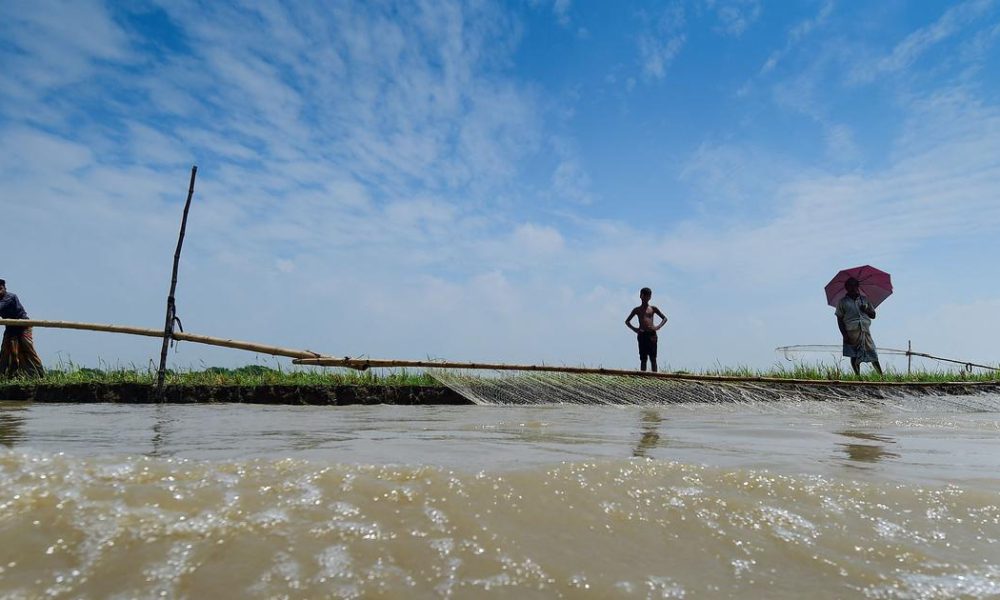
In a significant development, the government of Bangladesh, led by Prime Minister Tarique Rahman, has approved the Padma Barrage project, which is set to reshape water management in the region. Valued at approximately $2.8 billion, this ambitious project in the Rajbari district aims to construct a 2.1-kilometer dam on the Padma River, known as the Ganga in India. With the goal of harnessing nearly 2,900 million cubic meters of monsoon water, the barrage is designed to alleviate the severe salinity issues affecting the southwest region of Bangladesh by redistributing water during the dry season.
The initiative is projected to irrigate roughly 2.88 million hectares of farmland, restore vital river ecosystems, and is expected to contribute an additional 0.45% to the nation’s gross domestic product (GDP). This move comes in the wake of India’s suspension of the Indus Waters Treaty with Pakistan last year, a situation that reverberated throughout South Asia and raised questions about the durability of international agreements. By unilaterally altering long-standing treaties, India has inadvertently sent a message that international accords may not be as permanent as once thought.
The timing of the Padma Barrage’s approval is particularly poignant, as it occurs close to the expiration of the 1996 Ganga Water Sharing Treaty, which is set to lapse in December 2026. Celebrated as a breakthrough agreement after years of disputes, this treaty established a framework for managing the river’s dry-season flows, allowing for equitable water distribution between India and Bangladesh through a carefully structured system of allocations. Signed by Indian Prime Minister HD Deve Gowda and Bangladeshi Prime Minister Sheikh Hasina, the treaty was heralded as a significant step towards regional cooperation.
In light of these developments, the effectiveness of India’s Neighbourhood First policy is being called into question. This approach was meant to foster closer ties with neighboring countries through strategic partnerships and collaborative projects. However, the recent suspension of the Indus Waters Treaty has led to a reevaluation of India’s position in South Asia, as neighboring countries like Bangladesh may seek to assert their independence in water management and other critical areas.
The Padma Barrage represents not only a critical infrastructure investment for Bangladesh but also a pivotal point in the evolving dynamics of regional politics. As the Ganga Water Sharing Treaty approaches its expiration, India may need to reconsider its strategies in the region, aiming to rebuild trust and prevent further erosion of its influence amid changing relationships with its neighbors.
Source: scroll.in







No Comment! Be the first one.