

Wildlife Begins to Use Underpasses Along Delhi-Dehradun Expressway, New Study Reveals
In a remarkable development for wildlife conservation, the Wildlife Institute of India has reported initial findings showing animals utilizing the underpasses constructed along the Delhi-Dehradun...

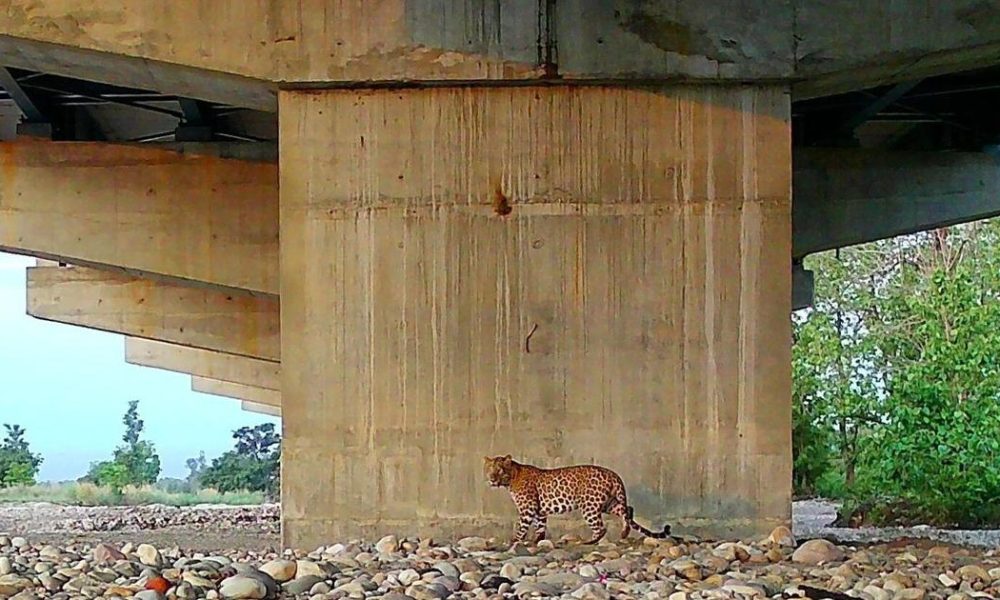
In a remarkable development for wildlife conservation, the Wildlife Institute of India has reported initial findings showing animals utilizing the underpasses constructed along the Delhi-Dehradun Economic Corridor. This 200-kilometer expressway, which became operational in 2025 and was officially inaugurated in April, has been designed with a primary goal of safeguarding wildlife while facilitating transportation.
The study focused on a vital 20-kilometer section of the expressway, situated in the Terai region, which is renowned for its rich biodiversity, including species such as elephants, tigers, great hornbills, and king cobras. Approximately half of this area—10.97 kilometers—features specialized elevated structures and underpasses created specifically for wildlife, aiming to mitigate animal fatalities, reduce human-wildlife conflicts, and prevent the isolation of animal populations.
This research is particularly significant as it falls within the larger Rajaji-Shivalik landscape, an area where highways, human settlements, and other infrastructure intersect with the natural migration routes of elephants between the Rajaji Tiger Reserve, surrounding forest areas, and the Doon Valley. Given the pressures from urban development and infrastructure expansion, such studies are crucial for understanding and protecting wildlife corridors.
To conduct their research, the team divided the corridor into three distinct zones: a riverbed, a hilly terrain, and a sal forest. Over the course of the study from May 16 to June 24, 2025, researchers deployed approximately 150 camera traps within the first zone to monitor wildlife movements over a span of 40 days. Additionally, they utilized 29 AudioMoth acoustic recorders throughout the three zones to capture ambient traffic noise, examining its potential effects on wildlife behavior and the utility of the underpasses.
The findings from this study not only highlight the importance of integrating wildlife conservation measures with infrastructure development but also emphasize the need for ongoing monitoring to assess the effectiveness of these underpasses. As urbanization continues to rise, the need for coexistence between human expansion and wildlife preservation becomes increasingly critical. The initial signs of wildlife using these underpasses offer hope for a sustainable future where both humans and animals can thrive.
Source: scroll.in






No Comment! Be the first one.