

Supreme Court Revokes Ban on Academics Involved in Controversial Judicial Corruption Chapter
The Supreme Court of India has lifted a ban on three scholars who were previously barred from participating in government projects due to their involvement in drafting a contentious chapter about...

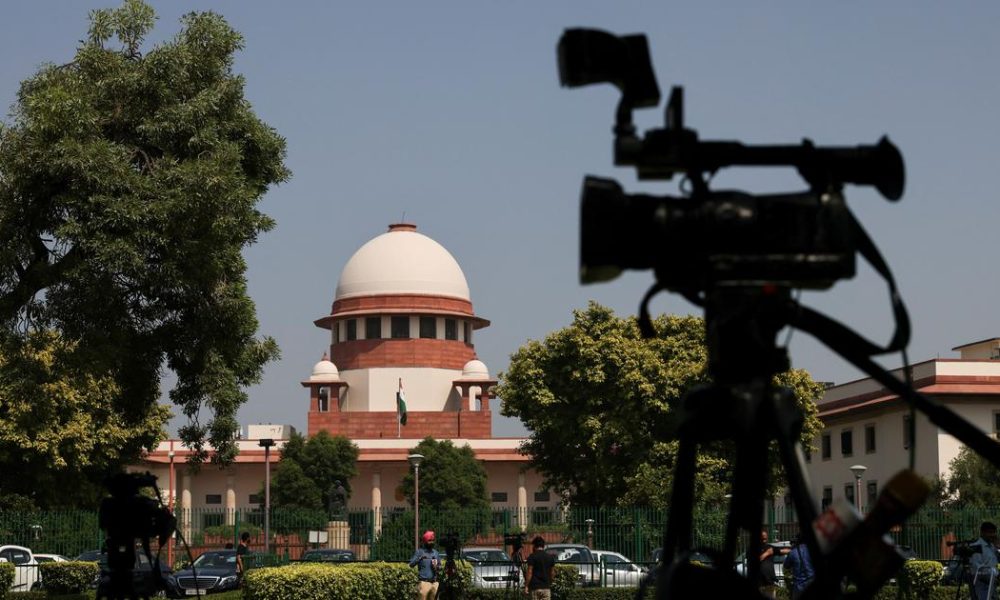
The Supreme Court of India has lifted a ban on three scholars who were previously barred from participating in government projects due to their involvement in drafting a contentious chapter about judicial corruption in a Class 8 textbook. The decision, made on Friday, followed a review of the circumstances surrounding the matter and an explanation provided by the academics, as reported by Live Law.
The bench, consisting of Chief Justice Surya Kant and Justices Joymalya Bagchi and Vipul Pancholi, acknowledged their earlier concerns regarding the chapter’s inclusion in the National Council of Educational Research and Training (NCERT) textbook, which they deemed “wholly undesirable and unnecessary.” However, the court modified its earlier stance after considering the explanations from the authors—Michel Danino, Suparna Diwakar, and Alok Prasanna Kumar.
This chapter was part of a broader curriculum titled “Exploring Society: India and Beyond,” and highlighted various challenges facing the Indian judiciary, including corruption. Following the Supreme Court’s suo motu action on the matter, which saw the textbook’s publication halted, the NCERT had issued an apology on March 10, acknowledging that the chapter was inappropriate. Subsequently, the entire textbook was withdrawn from circulation.
In its latest ruling, the court expressed satisfaction that there was no ill intention behind the chapter’s creation, indicating that the academics acted within their professional capacities. This recent development reflects an ongoing discourse about the role of education materials in shaping public perception of the judiciary and broader societal issues.
The withdrawal of the ban has raised discussions among educators and legal experts about the importance of academic freedom and the responsibilities that come with it. As the NCERT revises its educational content, the implications of this case could resonate within the educational landscape, prompting a reevaluation of how sensitive subjects are addressed in textbooks.
Source: scroll.in






No Comment! Be the first one.