

Delhi High Court Issues Contempt Notices to Journalist and AAP Leader in Targeted Campaign Case
The Delhi High Court took a significant step on Friday by issuing notices to journalist Saurav Das and Aam Aadmi Party (AAP) leader Gopal Rai in connection with a criminal contempt of court petition....

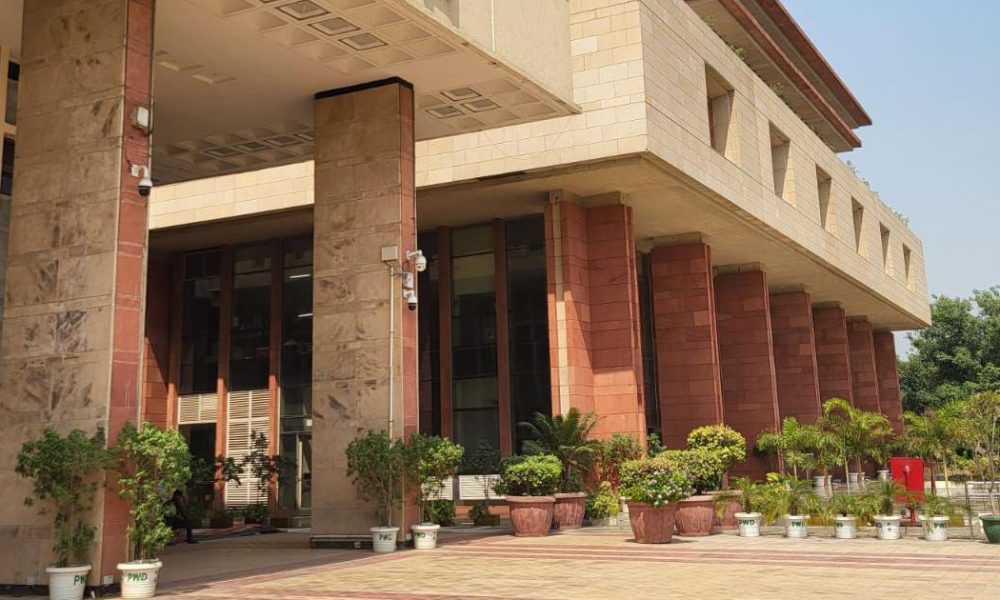
The Delhi High Court took a significant step on Friday by issuing notices to journalist Saurav Das and Aam Aadmi Party (AAP) leader Gopal Rai in connection with a criminal contempt of court petition. This action follows allegations that the duo orchestrated a campaign aimed at discrediting Justice Swarana Kanta Sharma. The case has drawn attention and raises important questions about the intersection of journalism, politics, and judicial integrity.
The division bench, comprising Justices Navin Chawla and Ravinder Dudeja, opted not to issue notices to AAP chief Arvind Kejriwal and party leader Saurabh Bharadwaj, as they are already entangled in separate contempt proceedings initiated by the court on its own accord. This decision indicates the court’s strategic approach to handle multiple cases that revolve around similar allegations against prominent political figures.
The contempt petition against Das and Rai was brought forth by a lawyer with the consent of Sanjeev Bhandari, the Additional Standing Counsel (Criminal) representing the Bharatiya Janata Party (BJP) government in Delhi. The petitioner contends that the actions of Das, Rai, Kejriwal, and Bharadwaj amount to a coordinated effort on the social media platform X (formerly Twitter) to disseminate damaging and unfounded allegations against Justice Sharma. This raises concerns over the responsible use of social media, particularly in the context of high-profile judicial figures.
According to the petitioner, the posts shared by the aforementioned individuals alleged serious misconduct, suggesting a conflict of interest and bias concerning Justice Sharma, based on misleading assertions about the professional engagements of the judge’s family members. Such serious allegations, if proven to be unfounded, could not only harm the reputation of the judiciary but also undermine public confidence in the legal system.
The court has set a precedent by addressing what appears to be a troubling trend where political figures and media personnel engage in campaigns that challenge the authority of the judiciary. The upcoming hearings are set to examine the validity of these claims and the implications they hold for the freedom of expression in the political landscape of India. As this case unfolds, it will likely attract further scrutiny, both from legal experts and the media, highlighting the critical balance between political discourse and judicial integrity.
Source: scroll.in






No Comment! Be the first one.