

The Rise of Robotic Surgery in India: A Revolutionary Approach or Just Hype?
On March 27, a remarkable demonstration of robotic surgery captured the attention of many in Mumbai, including Maharashtra’s Chief Minister, Devendra Fadnavis. At a convention center, attendees...

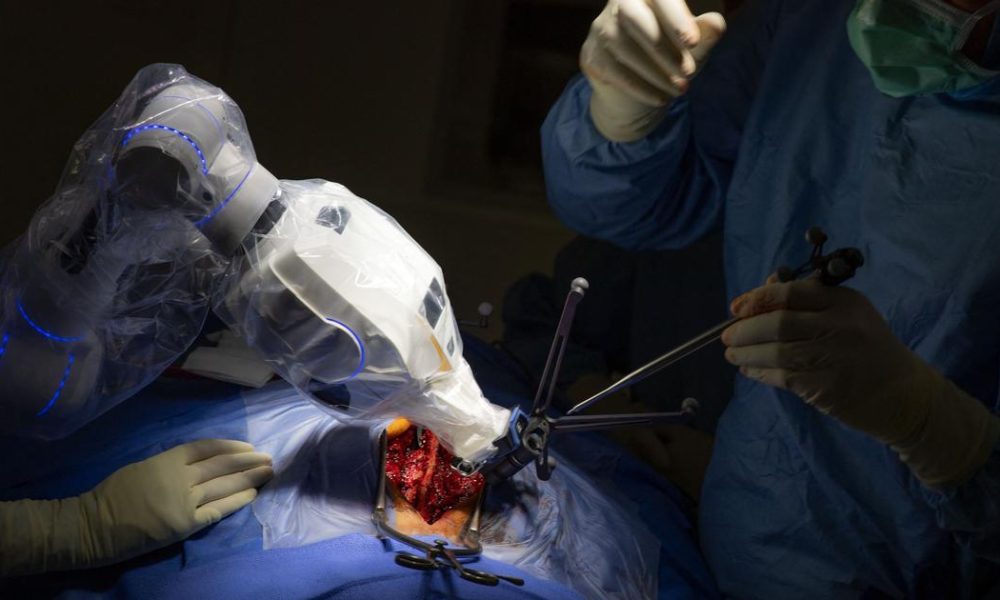
On March 27, a remarkable demonstration of robotic surgery captured the attention of many in Mumbai, including Maharashtra’s Chief Minister, Devendra Fadnavis. At a convention center, attendees witnessed a unique surgical experience where a surgeon operated a robotic system remotely from nearly 800 kilometers away. Meanwhile, the patient, Suryabhan Sambharkar, was undergoing hernia surgery at the Government Medical College in Nagpur, all thanks to the wonders of telesurgery.
The event was orchestrated to highlight the potential of robotic surgery in India, with the robotic system operated by the physician wearing 3D glasses to control the robotic arms. The surgery lasted approximately 40 minutes, during which the initial stages were carried out by the robot in Mumbai, showcasing a groundbreaking method where technology and medical expertise intersect. However, once the robot’s tasks were completed, a team of local doctors in Nagpur took over to conclude the procedure without robotic assistance.
Dr. Raj Gajbhiye, dean of the Government Medical College, explained that the robotic system was brought in specifically for this demonstration, arranged by Meril, an Indian multinational specializing in surgical robotics. While the event aimed to highlight the innovative capabilities of robotic surgery, it also raises pertinent questions about its necessity and effectiveness in routine medical practices.
Sambharkar, a 52-year-old cloth store worker earning Rs 10,000 a month, admitted he had never encountered robotic surgery before this event. His curiosity reflects a broader public sentiment regarding the integration of technology in healthcare. As the healthcare sector evolves, robotic surgery is increasingly being marketed as a more precise and less invasive alternative to traditional surgical methods. However, the high costs associated with these advanced systems might pose accessibility challenges for the average Indian.
The debate surrounding robotic surgery continues to grow, especially as hospitals across India promote these technologies as the future of medicine. Proponents argue that robotic systems can enhance surgical precision, reduce recovery times, and minimize complications. Yet, skeptics question whether the additional costs and complexities justify the benefits, considering that conventional surgeries have proven effective for decades.
As the Indian healthcare system grapples with the balance between innovation and accessibility, the case of robotic surgery serves as a significant touchpoint for discussions about the future of medical technology in the country. With more demonstrations and public awareness, only time will tell if robotic surgery will become a standard practice or remain a niche offering limited to specific institutions.
Source: scroll.in







No Comment! Be the first one.