

Exploring the Rich Tapestry of Bengal’s Syncretic Religious Traditions
In the archives of colonial Bengal, where traditional scholars once categorized folk beliefs as inferior remnants, scholar Sumanta Banerjee undertakes a compelling re-examination of these cultural...

In the archives of colonial Bengal, where traditional scholars once categorized folk beliefs as inferior remnants, scholar Sumanta Banerjee undertakes a compelling re-examination of these cultural narratives. His latest work, titled Logic in a Popular Form, delves into how everyday individuals have wielded their religious imagination to navigate the turbulent waters of historical transitions.
Banerjee meticulously analyzes manuscript collections and oral traditions, revealing a landscape that contradicts the conventional story of highbrow textual traditions being tarnished by popular ignorance. Instead, he unveils a rich, intricate world where tribal mother-goddesses evolve into symbols of nationalism, and where the lines between Hindu deities and Muslim mystics blur. This syncretism challenges established norms and highlights the resilience of communities that have creatively responded to historical upheavals.
One of the strengths of Banerjee’s investigation is his perspective on popular religious expressions. He eschews viewing them as mere remnants of a bygone era or as inferior versions of elite practices. Rather, he frames them as dynamic responses shaped by historical contexts, embodying what Karl Marx referred to as ‘logic in a popular form.’ This approach affirms the theological depth of communities often perceived as mired in superstition.
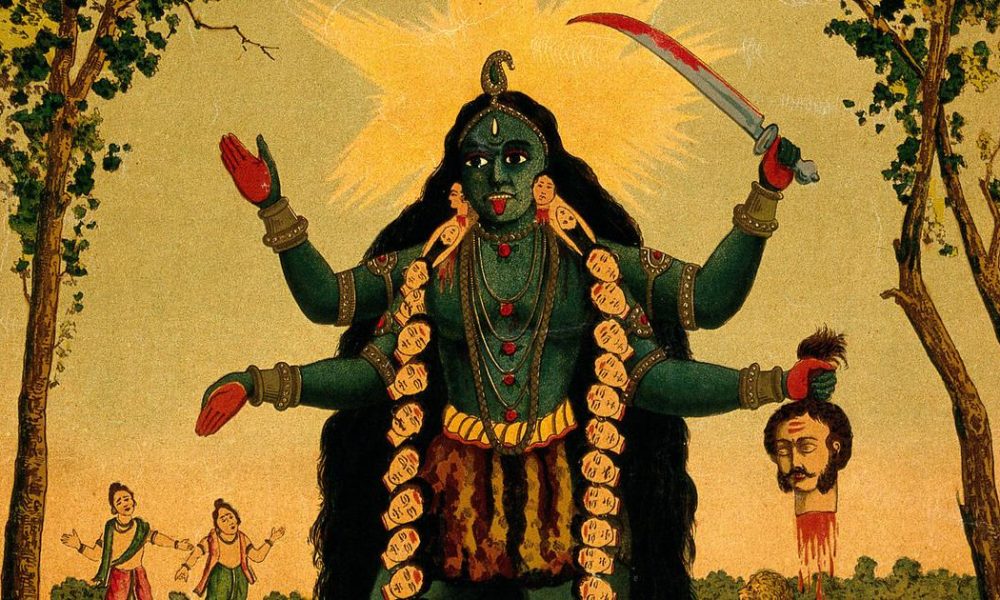
For instance, Banerjee’s exploration of the goddess Kali illustrates her evolution through the centuries of Bengali history. Once regarded as a primal deity associated with darkness and destruction, Kali has transformed into a potent symbol of empowerment and resistance, intersecting with nationalistic sentiments. This illustrates how popular faith is not stagnant but continuously reinterpreted in response to the changing socio-political landscape.
Banerjee’s work not only enriches our understanding of Bengal’s religious heritage but also invites readers to reconsider the often simplistic narratives surrounding folk traditions. His research showcases how these beliefs can serve as sharp critiques of colonial authority, effectively using divine love stories and street music to engage with powerful social commentary. As Bengal’s syncretic traditions continue to evolve, they remain vital in understanding the region’s complex cultural identity.
Source: scroll.in







No Comment! Be the first one.