

How the Ongoing Iran Conflict Is Impacting Indian Farmers and the Economy
In recent weeks, Indian farmers have faced a dual challenge as unseasonal rains wreak havoc on crops across various states, compounding existing vulnerabilities instigated by geopolitical tensions in...

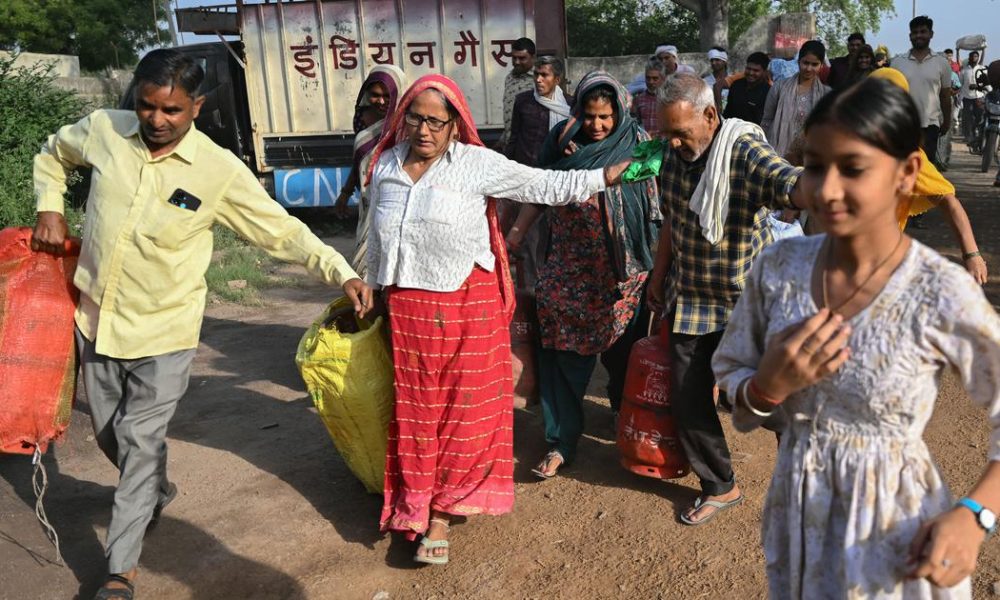
In recent weeks, Indian farmers have faced a dual challenge as unseasonal rains wreak havoc on crops across various states, compounding existing vulnerabilities instigated by geopolitical tensions in West Asia. Charanpreet Singh, a farmer from Rajasthan, poignantly illustrated this predicament when he expressed hopes for a fruitful kharif season despite suffering significant crop losses. His concerns extend beyond the immediate impact of erratic weather; he is also apprehensive about securing vital agricultural inputs like urea and diammonium phosphate.
The ongoing conflict in Iran has created a ripple effect that is palpable in the agricultural sector. The closing of the Strait of Hormuz in March, a strategic waterway for global oil and gas shipments, has led to a marked reduction in the supply of liquefied natural gas from West Asia. This specific gas is a crucial raw material for fertilizer production, leading to fears of inadequate domestic supply and potential spikes in prices.
As journalists, we often report on the various aspects of the West Asia conflict, focusing on energy security and the plight of Indian migrant workers. However, the intersection of these geopolitical events and local agricultural challenges is a narrative that has been overshadowed. For farmers like Singh, the implications are stark: the war in Iran, compounded by the unpredictability of climate change, poses a significant threat to their livelihoods.
In India, agriculture employs a vast majority of the population, and any disruption in the availability of fertilizers can have cascading effects on food production and prices. Farmers are already experiencing the brunt of this, as fluctuating costs and limited supply threaten their ability to sustain their livelihoods. Singh’s worries reflect a larger crisis that could escalate if the conflict in West Asia further disrupts fertilizer supplies.
It is crucial for policymakers and the media to connect these dots. Understanding how international conflicts influence local economies can help in fostering a more resilient agricultural framework. As India navigates its complex relationship with West Asia, the implications for farmers and the broader economy must be at the forefront of discussions and decisions. Only by addressing these interconnected issues can we hope to safeguard the livelihoods of those who feed the nation.
Source: scroll.in






No Comment! Be the first one.